
Last updated November 16, 2026
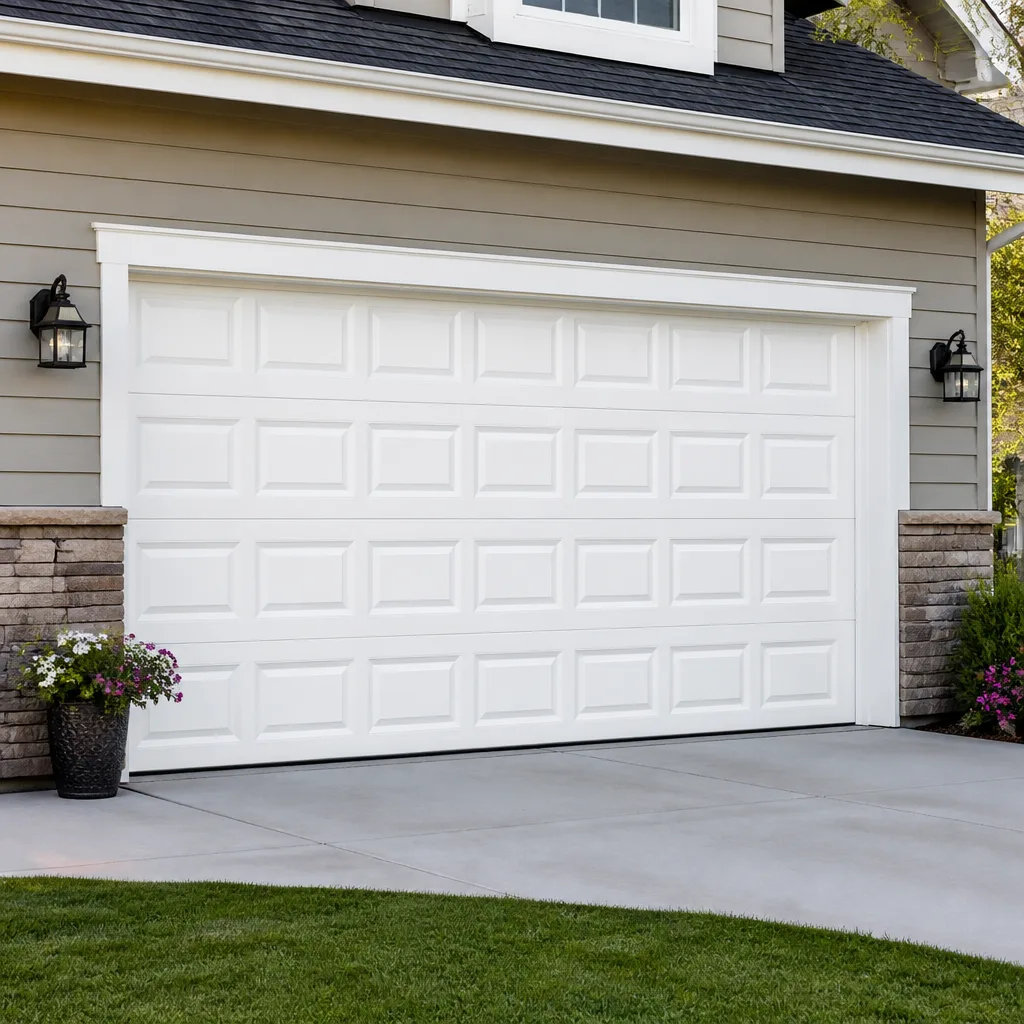 Raised-panel steel
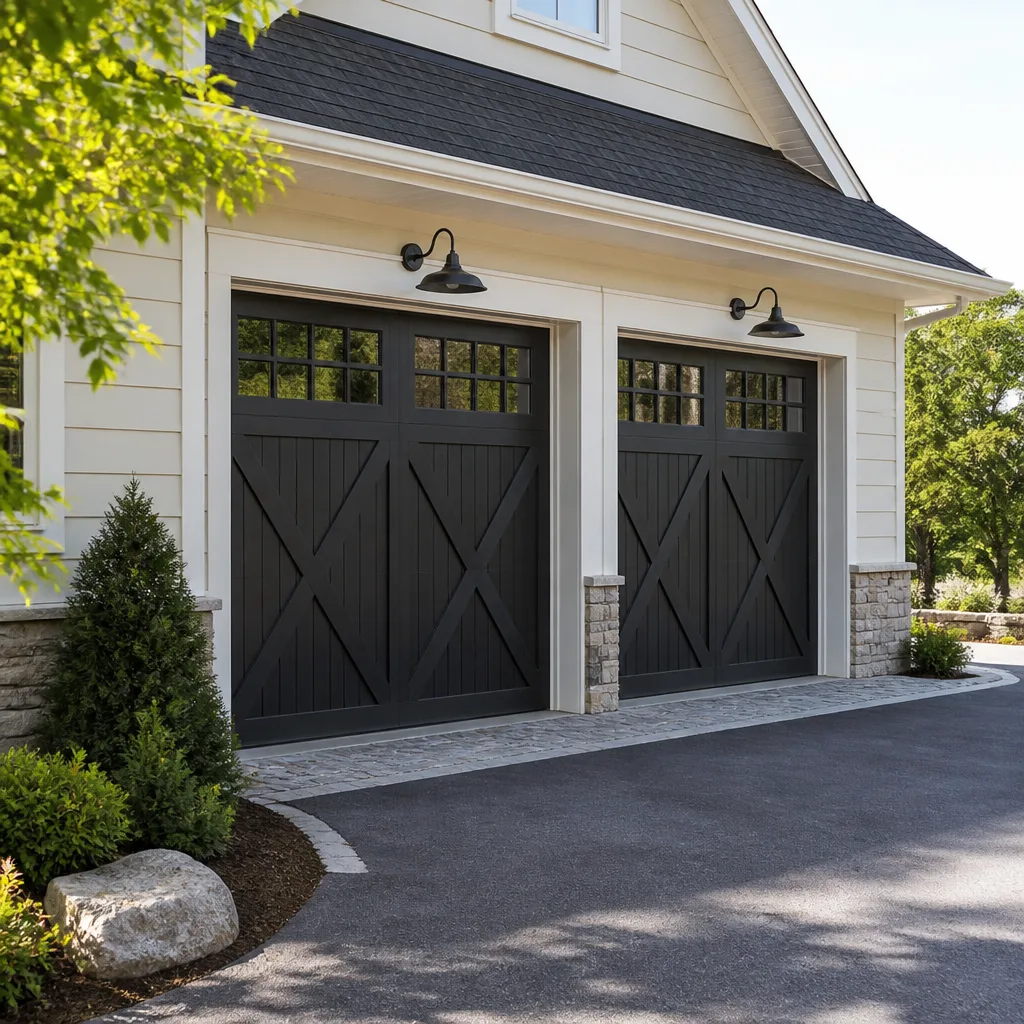 Carriage house
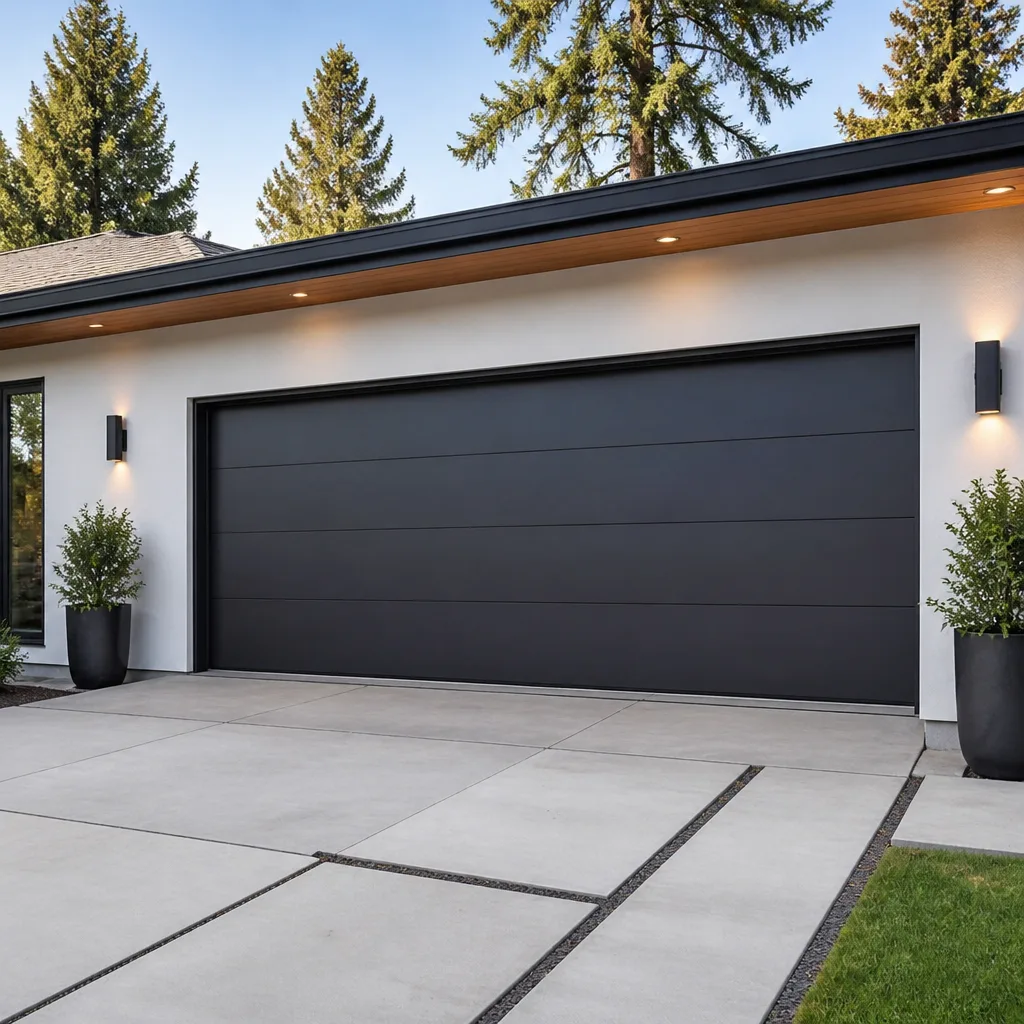 Modern flush
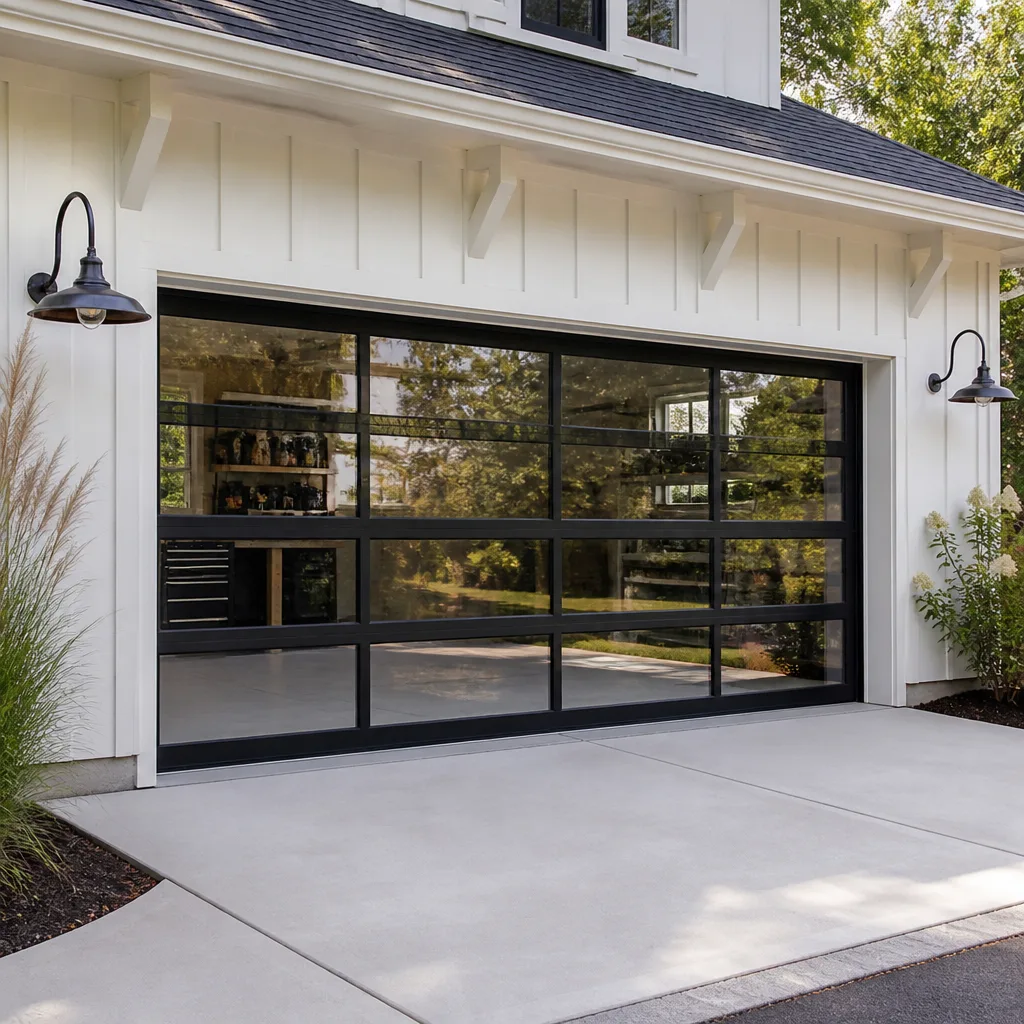 Full-view glass
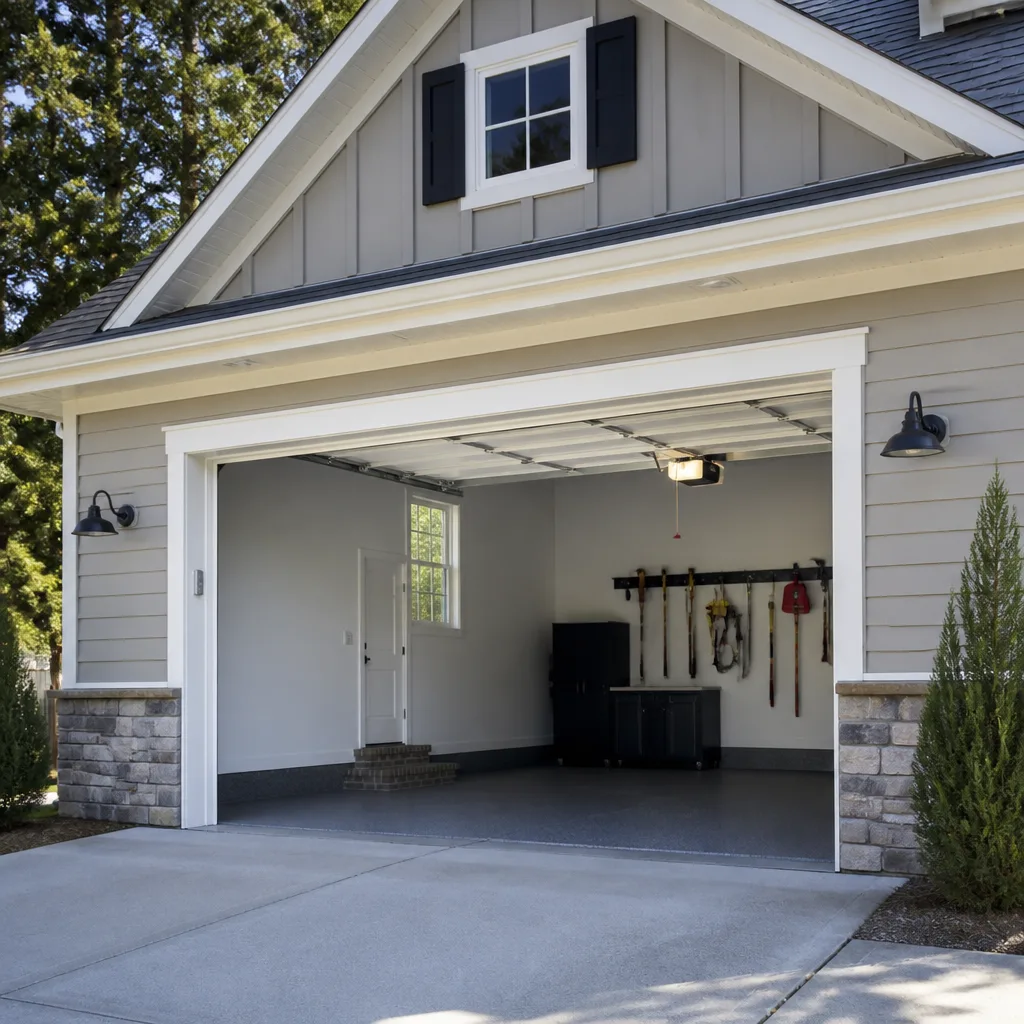 LiftMaster openers
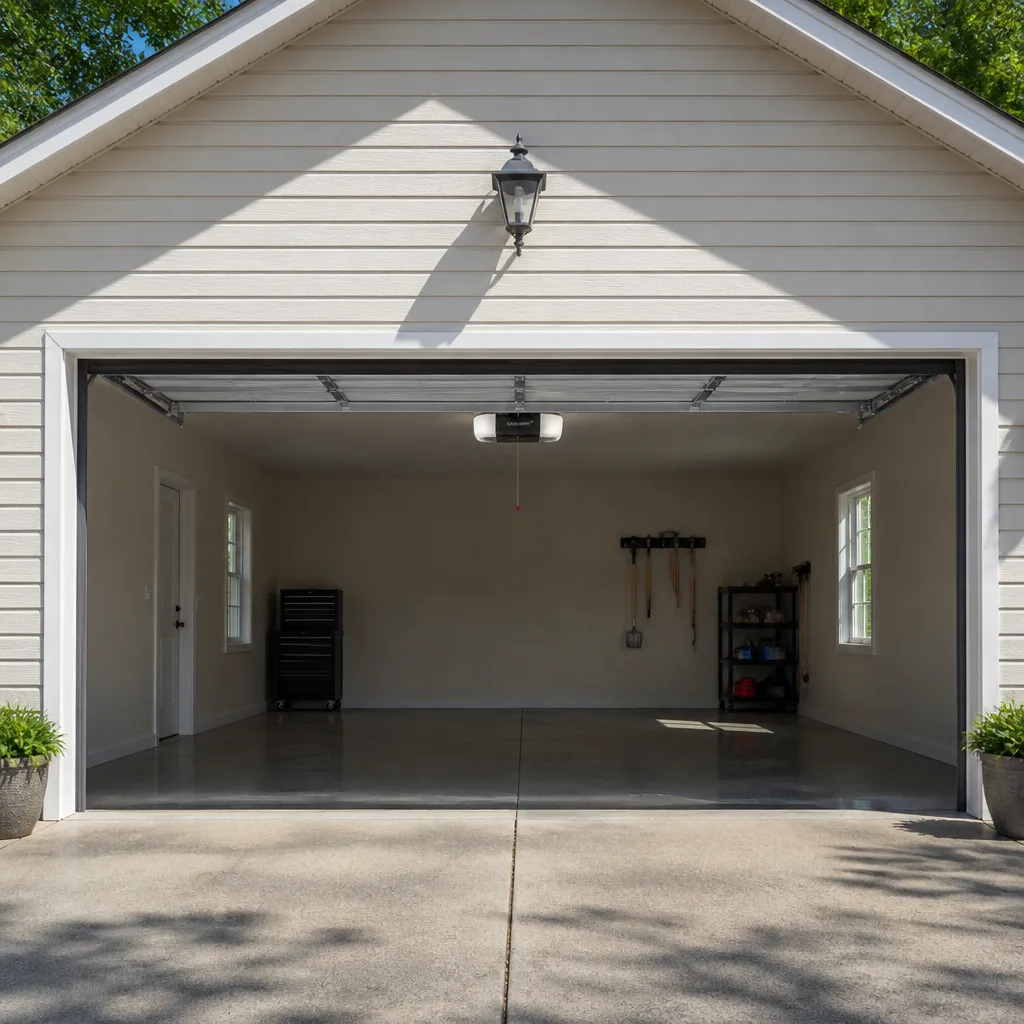 Chamberlain openers
Full 25-point door and opener safety check with every visit - springs, cables, rollers, tracks, and your LiftMaster or Chamberlain opener included
You get a price before we start. It does not change when the pro arrives.
Get your free estimateThe Complete Guide to Garage Doors in Arlington
Most “complete” garage door guides were written for a hypothetical homeowner in a hypothetical suburb, and a good chunk of that advice simply doesn’t apply here. Arlington’s frost-line depth, its dense patchwork of HOAs, and the way attached two-car garages sit on narrow lots all change the calculus on what door works, what fails fast, and what the county will actually let you build. A door that’s perfect in Phoenix can be the wrong door for a 1985 townhome off Columbia Pike.
This guide maps the real picture: how Arlington’s housing stock shapes your options, which materials survive our humidity-and-freeze cycle, how HOA approval works in practice, what needs a permit and what doesn’t, and why a Westover split-level has different structural considerations than a garage tucked under a Ballston condo. Read it end to end or jump to the section you need.
Quick Answer
The right garage door for an Arlington home depends on three things: your rough opening dimensions (older homes often have non-standard sizes), your HOA’s rules on material and color, and how well the door handles the DC metro’s freeze-thaw and summer humidity cycle. Steel and insulated steel-backed doors hold up best for most Arlington homes; wood and certain composite doors look great in a showroom but demand more upkeep in this climate. For repairs, most problems trace back to springs, cables, rollers, or the opener rather than the door panels themselves.
Styles & brands we work with
- Raised-panel steel
- Carriage house
- Modern flush
- Full-view glass
- LiftMaster openers
- Chamberlain openers
Table of Contents
- How Arlington’s Housing Stock Shapes Your Options
- Climate: The DC Metro Humidity-and-Freeze Cycle
- Door Materials: What Holds Up and What Doesn’t
- HOA Approval Realities in Arlington
- Permits: What Requires One and What Doesn’t
- Neighborhood-by-Neighborhood Considerations
- Brands and Systems You’ll Actually Find Here
- A Simple Maintenance Routine
How Arlington’s Housing Stock Shapes Your Options
Arlington is not one housing market. It’s several, stacked on top of each other and built across roughly seven decades. That matters because a garage door isn’t a universal product you drop into any opening. The rough opening (the framed hole your door sits in) has a specific width and height, and it has to be plumb and square. In homes built before 1990, those dimensions were often built to whatever the carpenter had on hand, and modern doors are manufactured to tighter standards.
What that means in practice:
- Pre-1990 colonials and split-levels frequently have openings that are slightly wider or shorter than today’s standard sizes, which can limit your off-the-shelf options and push you toward custom-width doors.
- 1980s townhome developments often used a single shared opening size across the whole row, so if one neighbor replaced their door, you can usually match it more easily.
- New construction tends to follow current standards, giving you the widest selection of stock sizes.
- Attached garages on narrow lots present headroom problems. Low-clearance situations rule out some high-lift track configurations and change which openers fit.
Before you shop for a door, measure your opening carefully and check whether the ceiling height above it can accommodate the track and opener you want. If you’re not sure, that’s the first thing a specialist should verify on site. Getting the rough opening right is the difference between a door that installs cleanly and one that never quite seals.
Climate: The DC Metro Humidity-and-Freeze Cycle
Arlington sits in a climate that punishes garage doors in a specific, predictable way. Summers bring stretches of high humidity. Winters bring hard freezes and repeated thawing. That back-and-forth is what does the damage, and it hits different components in different ways.
The cycle shows up in a few places:
- Wood sections absorb summer moisture, swell, and then dry out and shrink when the cold arrives. Over seasons, that movement can warp panels, open seams, and weaken the joints.
- Steel doors handle the humidity easily, but the freeze-thaw cycle stresses the seal at the bottom, where water pools and refreezes. A worn bottom seal lets water in and leads to rust at the lowest panel.
- Springs and cables are metal under constant tension. Temperature swings don’t rust them quickly, but they do add stress cycles, and springs fail on a curve that has more to do with how often the door runs than with the weather.
- Paint and finish on any material takes a beating from freeze-thaw. A finish that’s fine in a dry climate can start to peel at the edges here within a handful of seasons.
The practical takeaway: in Arlington, the bottom seal, the finish, and the hardware matter as much as the door panel itself. A well-insulated door with a sound bottom seal and proper drainage around the opening will outlast a prettier door that lets water sit at its base.
Door Materials: What Holds Up and What Doesn’t
Walk into any showroom and everything looks durable. Five years in an Arlington driveway tells a different story. Here’s how the common materials actually behave in this climate.
- Insulated steel: The workhorse. Steel resists the humidity, the insulation helps with temperature control in an attached garage, and finishes hold up well. This is what most Arlington homeowners end up choosing, and for good reason.
- Steel-backed with a composite or wood-look face: Gets you the wood appearance without the movement problems, and it holds up better than solid wood here. Worth considering if you want a traditional look and your HOA requires it.
- Solid wood: Beautiful, and the most demanding in this climate. It needs regular sealing and repainting to survive the moisture swings, and if you skip that maintenance, it will show you. Many homeowners love the look and underestimate the upkeep.
- Aluminum and glass: Modern and clean, popular on contemporary homes. The frame handles the weather well, but glass panels and the seals around them need attention, and these doors offer less insulation.
- Vinyl-backed or thin composite panels: Can look good at first, but thin sections are more prone to warping and fading through our summer sun and winter cold.
One reliable rule: the thicker the section and the better the insulation, the more forgiving the door is in this climate. A heavy door also runs more smoothly on its hardware, which cuts down on the wear that leads to repair calls. If you’re weighing options, that’s a conversation worth having with someone who works on these doors every day rather than a generalist who sells them on the side.
HOA Approval Realities in Arlington
A large share of Arlington homes sit inside a homeowners association, and the HOA, not the county, is often the first hurdle. Associations here come in a few common forms, and each tends to care about different things.
- Townhome associations usually focus on uniformity. They want doors that match the row, often down to the color and panel style. Replacing one door with a different design is frequently a non-starter.
- Single-family community associations tend to set broader rules about approved materials, colors, and sometimes window patterns, while allowing more individual choice within those limits.
- Condominium associations with shared or under-building garages may control the door itself as common property, which changes who’s responsible for the repair and who approves the replacement.
The pattern that trips people up: they pick a door, order it, and only then submit the architectural request. That’s backwards. Get the association’s written approval for the specific door, material, and color before you commit, because materials that are perfectly legal and perfectly good can still be rejected by a board that wants the row to match. In our experience, the approval step is where most Arlington garage door projects lose the most time, not the installation itself. If you’re not sure who owns the door or what the rules require, ask before you order.
Permits: What Requires One and What Doesn’t
Arlington County, like most jurisdictions, draws a line between work that needs a permit and work that doesn’t. The exact rules can shift, so the reliable move is always to confirm with the county’s building department before work begins. Still, the general shape of it is worth understanding.
Typically permit-exempt:
- Replacing a garage door with another door of the same size in the same opening.
- Replacing an opener with a like-for-like unit.
- Routine repairs to springs, cables, rollers, and hinges.
Typically permit-required:
- Enlarging or altering the rough opening.
- Changing the structural framing around the garage.
- Converting a garage to living space or changing how the opening functions.
- Work that affects the structural integrity of the wall above the door.
If you’re hiring a specialist for garage door repair, ask upfront whether the job as described needs a permit. A straight door-for-door swap usually doesn’t, but a project that grows into reframing does. Getting that answer before the work starts keeps you out of trouble and keeps the timeline honest. When in doubt, call the county and describe the exact scope.
Neighborhood-by-Neighborhood Considerations
Arlington’s neighborhoods weren’t built to the same blueprint, and the differences show up in the garage. Here’s how a few common areas play out.
- Westover and other older single-family neighborhoods: Split-levels and colonials here often have garages that were added or expanded over the years, which means the rough opening may not match the original structure’s dimensions. Structural considerations matter more here, and low headroom is common.
- Ballston and the Rosslyn-Ballston corridor: Dense condo and townhome development means shared or under-building garages, where the association often controls the door and the repair. Low-clearance tracks and tight side clearances are the norm.
- Columbia Pike corridor: A mix of older townhomes and mid-century homes, many with single-wide openings that limit door width and favor simpler track configurations.
- North Arlington neighborhoods near the county line: Newer construction and renovated homes tend to follow current standards, giving owners the widest selection of stock sizes and opener options.
The lesson is that a “standard” garage door problem in one Arlington neighborhood isn’t the same in another. A Westover split-level with a wonky opening has different structural considerations than a Ballston condo garage tucked under a building. If your Arlington home falls into one of these categories, describe it accurately when you call so the right person shows up.
Brands and Systems You’ll Actually Find Here
Arlington homes carry a predictable spread of door and opener brands, and knowing your system helps you get the right parts the first time. On the door side, you’ll commonly run into Clopay, Amarr, Wayne Dalton, and Raynor. On the opener side, LiftMaster, Chamberlain, Genie, and Craftsman dominate.
Why the brand matters:
- Parts fit differently. A Wayne Dalton door takes different hardware than an Amarr, and a LiftMaster opener uses different logic and accessories than a Genie. Matching the brand cuts down on callbacks.
- Diagnosis is faster. A technician who works these systems daily knows the failure patterns for each one and can often tell you what’s wrong before the door comes apart.
- Replacement choices anchor to what’s already there. If a Craftsman opener is failing, matching the replacement to your existing door’s weight and track keeps the whole system working together.
At Kingsley Garage Door Repair, we focus on garage doors exclusively, which means we work across that full range of residential brands. For garage door opener repair specifically, having parts and experience for all the major opener brands is what keeps a single visit from turning into two. Call (844) 484-2584. We answer 24/7. Fast dispatch from 7am to 7pm, Sunday through Friday.
A Simple Maintenance Routine
Most garage door problems announce themselves before they fail. A short, regular routine catches them early. Here’s what a monthly check looks like:
- Listen. A well-running door is quiet. Grinding, squeaking, or a rattling opener is an early sign of a worn roller or a dry hinge.
- Look at the bottom seal. A cracked or worn seal lets water and cold air in, and in Arlington’s freeze-thaw cycle that water pools and refreezes.
- Check the balance. Disconnect the opener and lift the door halfway by hand. It should stay put. If it drops or shoots up, the springs are out of balance.
- Test the safety reverse. Place a roll of paper towels in the door’s path and close it with the opener. The door should reverse immediately.
- Inspect the hardware. Look for frayed cables, loose brackets, and bent tracks. Do not touch the springs or cables themselves; those are under high tension and are a job for a trained professional.
Springs and cables are the exception to any DIY approach. They’re under extreme tension, and the tools and technique to work on them safely are what a specialist brings. If your balance test or hardware check turns up anything concerning, stop and call for a professional. For most of us, that’s the safest call.
Common Mistakes to Avoid
- Ordering a door before measuring the rough opening. Pre-1990 Arlington homes often have non-standard openings, and a door ordered to the wrong dimensions can’t be made to fit. Measure first, and verify with a specialist.
- Submitting an HOA request after you’ve bought the door. Get written approval for the exact door, material, and color before ordering. Boards reject doors that don’t match the row.
- Assuming a garage conversion is a simple door swap. Altering the opening or making it living space usually triggers a permit and possibly structural work. Confirm the scope with the county’s building department.
- Choosing a solid-wood door for the look without budgeting for upkeep. Wood needs regular sealing and repainting in this climate, and skipping it leads to warping and costly repairs.
- Ignoring the bottom seal. A worn seal is the entry point for the water that rusts steel panels and rots wood sections. Replace it when it’s worn.
- Replacing a whole door when a repair would do. Most problems trace back to springs, cables, rollers, or the opener, not the panels themselves. Get an honest assessment before you spend on a new door.
- Letting a generalist fix a specialized door. Garage doors are their own trade. A handyman who dabbles may get the diagnosis right but the parts wrong.
See the difference
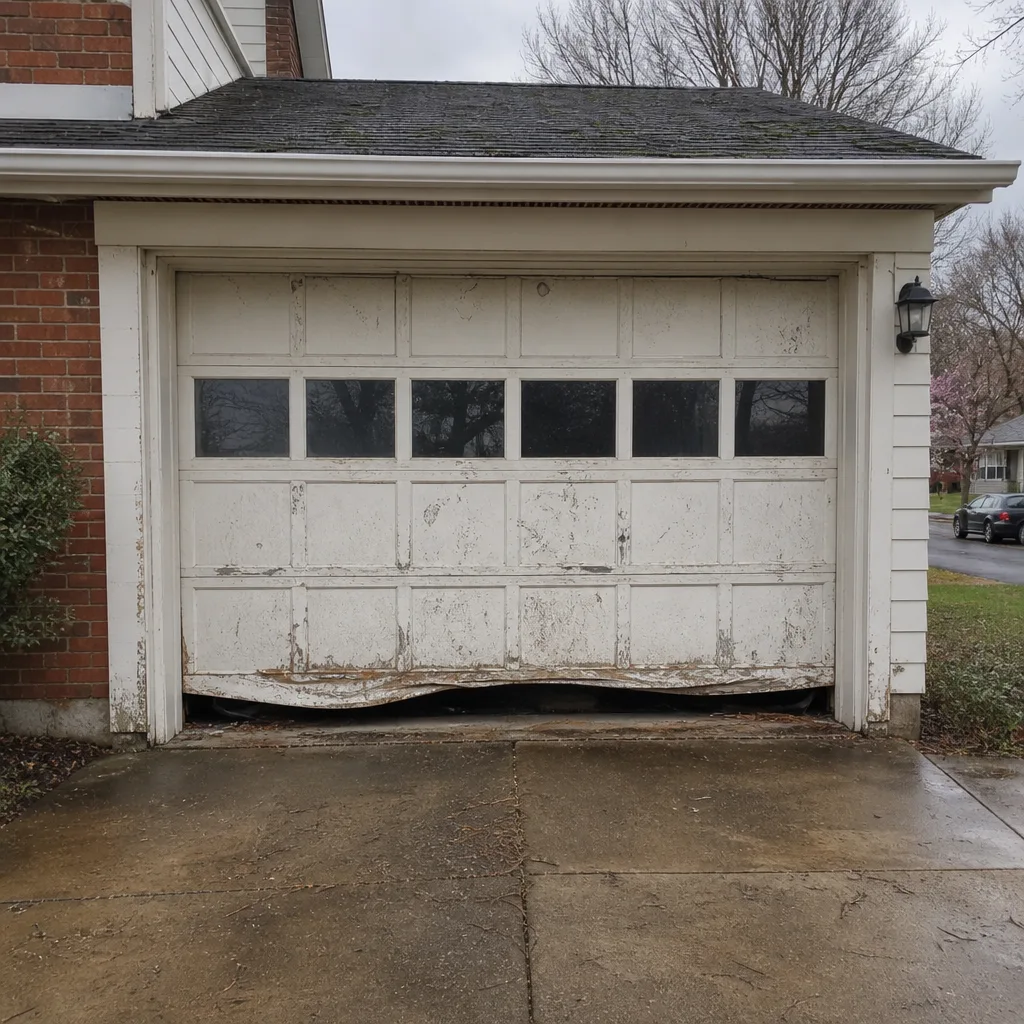 Before
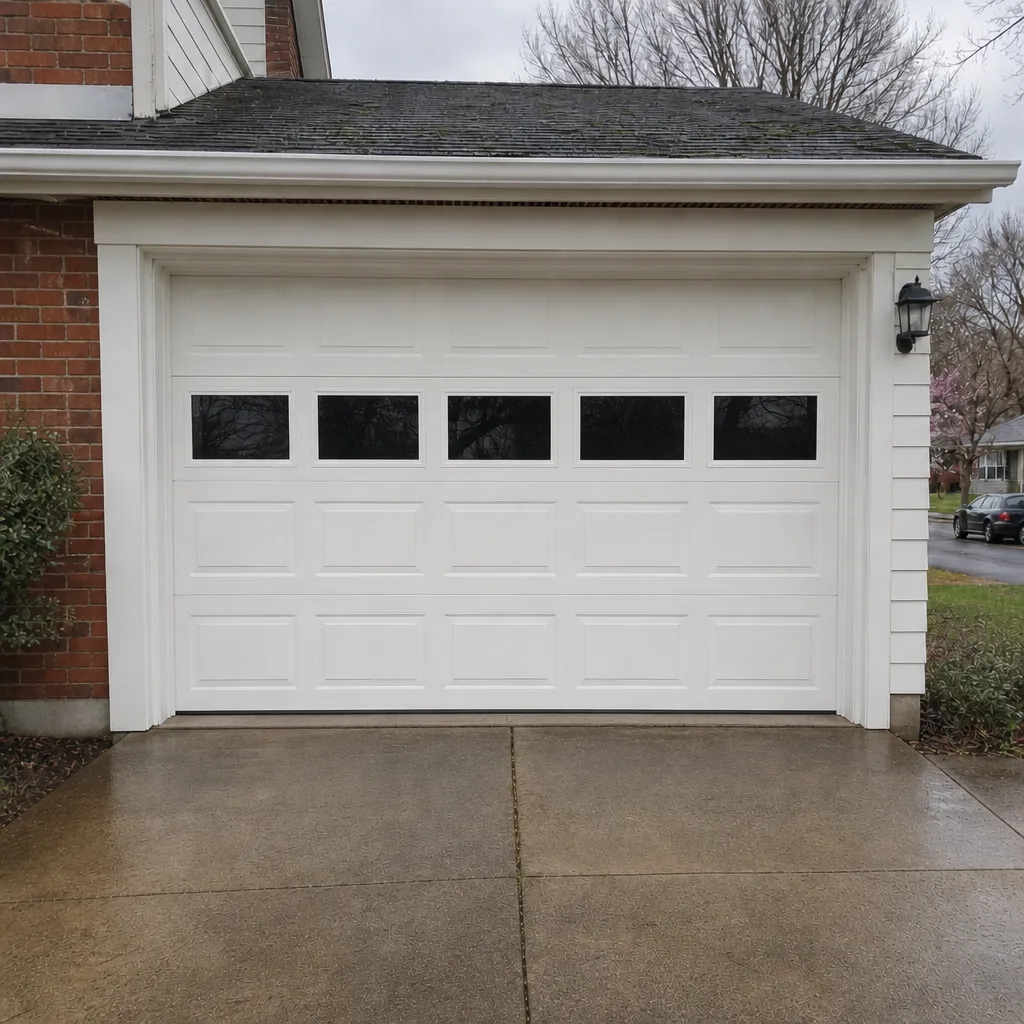 After
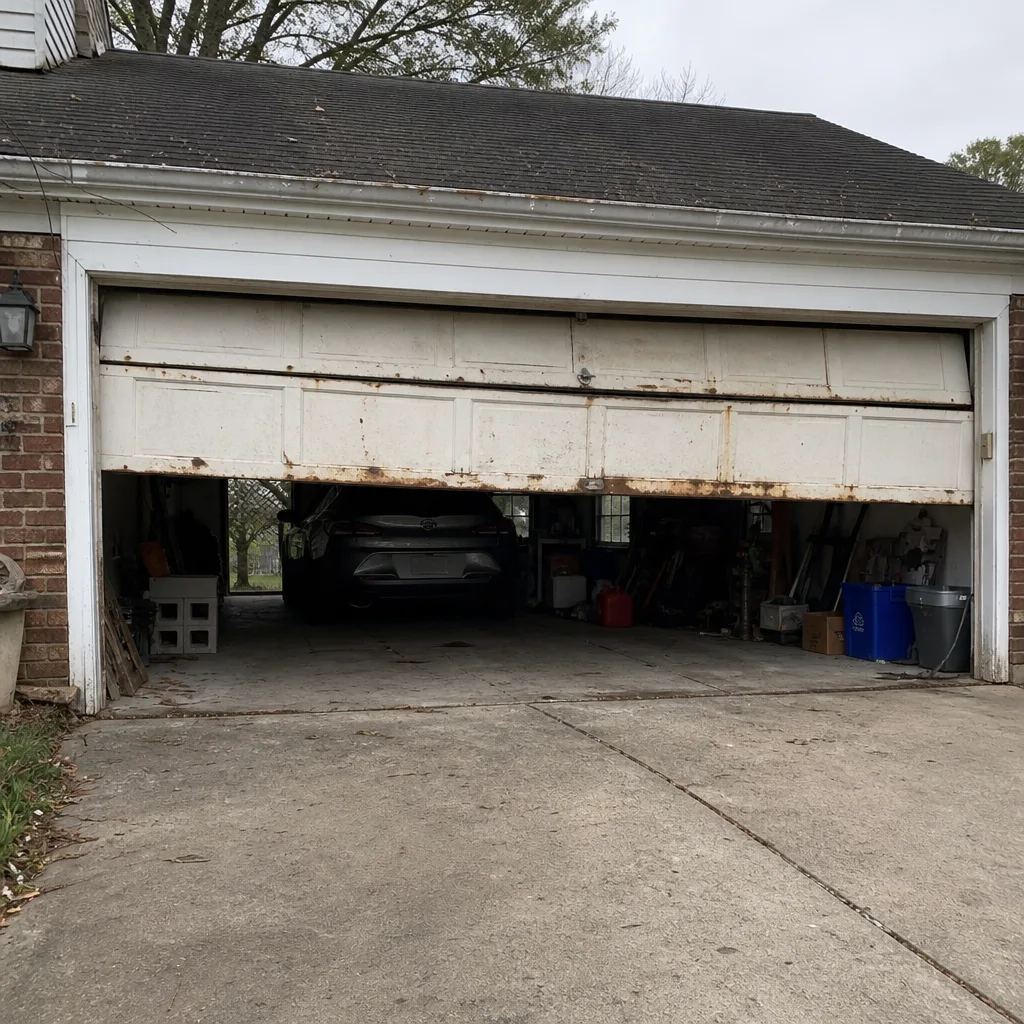 Before
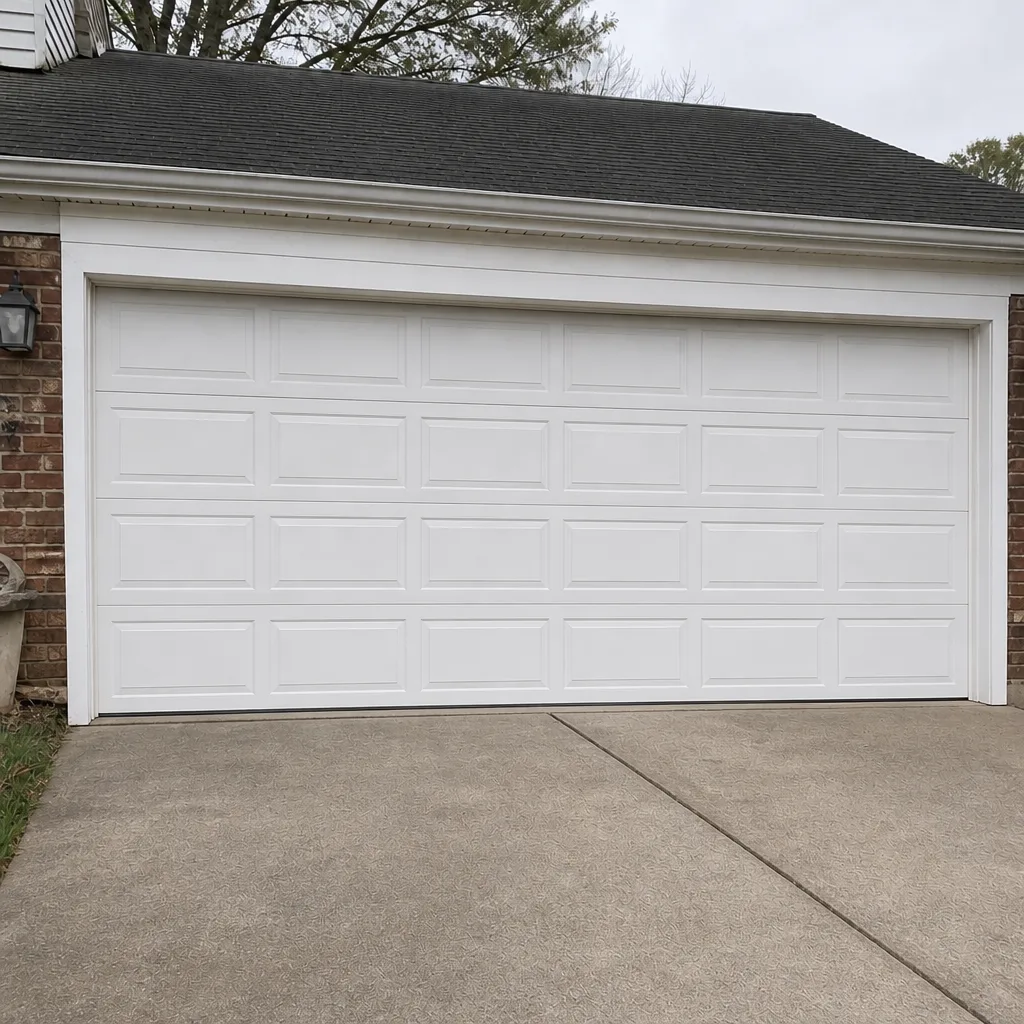 After
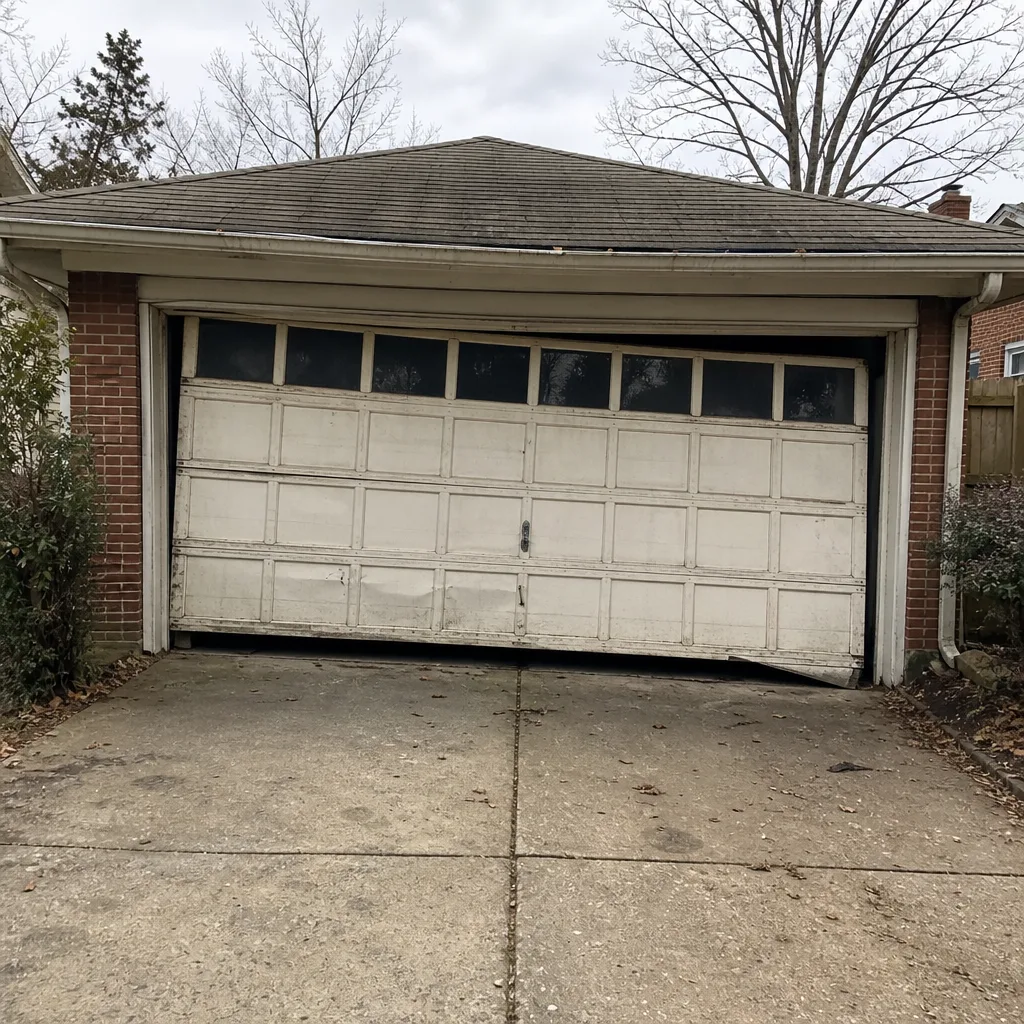 Before
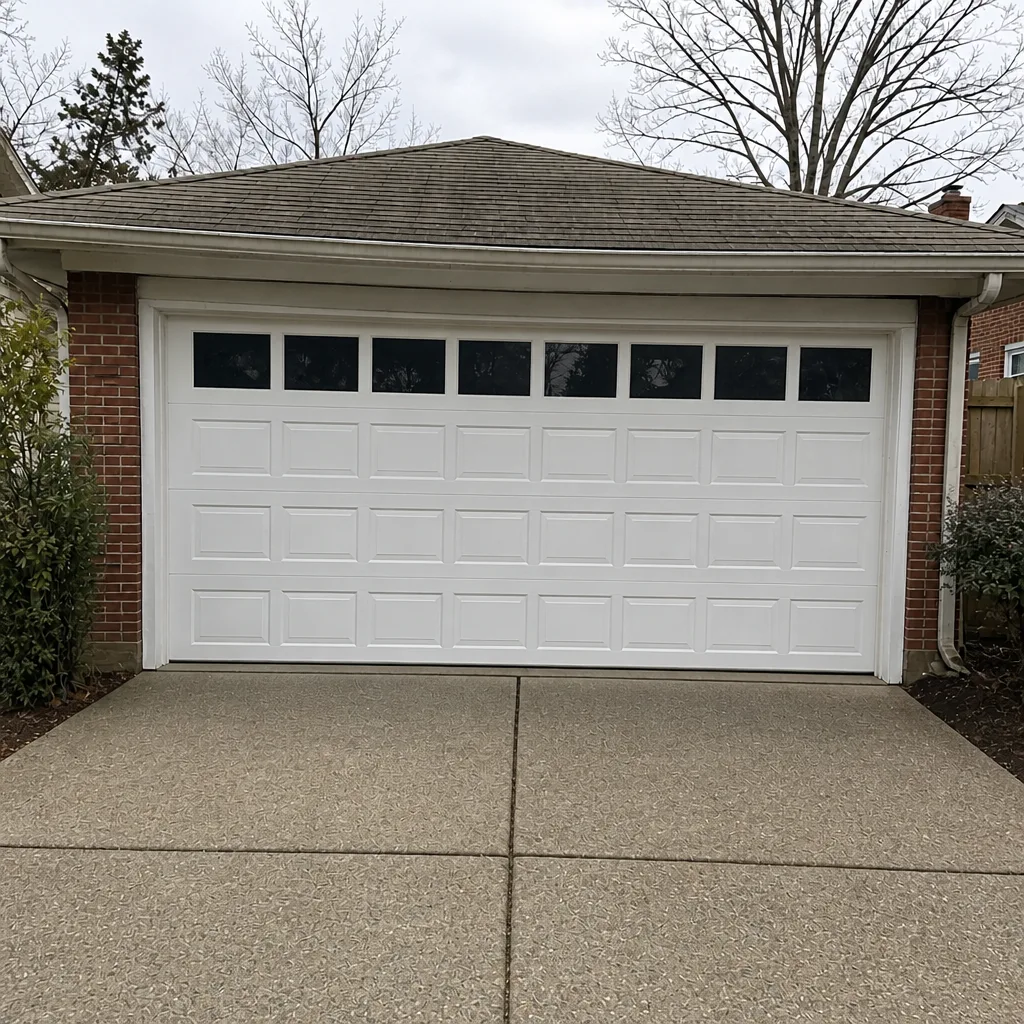 After
When to Call a Professional
Some issues are fine to watch. Others need a trained hand on the job. Call a specialist if a spring breaks (you’ll hear it), if the door is unbalanced or comes down hard, if a cable is frayed, if the opener runs but the door doesn’t move, or if a panel is bent or off its track. Any of these can affect the whole system and a door that comes down unexpectedly is genuinely dangerous. If you’re unsure, a technician can diagnose it in a single visit. Kingsley Garage Door Repair offers free estimates in Arlington, so call (844) 484-2584 to get an honest assessment. We answer 24/7. Fast dispatch from 7am to 7pm, Sunday through Friday.
Frequently Asked Questions
A straight door-for-door replacement in the same opening usually doesn’t need a permit, but enlarging or altering the opening or changing structural framing typically does. Confirm the exact scope with Arlington County’s building department before work begins, since the rules can shift and your project’s details matter.
Insulated steel holds up best for most Arlington homes, and steel-backed doors with a composite face are a strong alternative if you want a traditional look. Solid wood demands regular sealing and repainting to survive the humidity-and-freeze cycle, and thin composite or vinyl panels tend to warp and fade faster here.
Not usually. Townhome associations in Arlington often require doors that match the row exactly, while single-family community associations set rules on materials, colors, and sometimes window patterns. Get written approval for the specific door, material, and color before you order. Ask before you commit.
Same-day repair is often possible for a broken spring, since it’s a common problem with standard parts. Call (844) 484-2584. We answer 24/7. Fast dispatch from 7am to 7pm, Sunday through Friday, and the price is quoted and agreed before any work starts.
Temperature swings in Arlington stress moving parts and seals. Summer humidity swells wood sections, and winter freezes stiffen rollers and can crack a worn bottom seal. If a door closes hard in one season and fine in another, the hardware and seal usually need attention rather than the whole door.
Repair is usually the right call when the problem is a spring, cable, roller, or the opener, especially on a door that’s structurally sound. Replacement makes more sense when panels are warped, the door is unbalanced beyond repair, or you want better insulation. The honest answer depends on the diagnosis, and a specialist should tell you which without a sales pitch.
The Bottom Line
Arlington’s garage doors don’t follow the generic playbook. The age of your home shapes what door will fit, the humidity-and-freeze cycle decides which materials survive, and your HOA and the county’s permit rules set the boundaries before you buy anything. Get the rough opening measured, get HOA approval in writing, confirm the permit scope, and choose a material that can take this climate. Then keep up the simple checks: the seal, the balance, the safety reverse. Most failures are spring, cable, or opener problems that a specialist can diagnose on the first visit. The rest comes down to calling the right person before a small issue turns into a big one. Call (844) 484-2584 for a free estimate. We answer 24/7. Fast dispatch from 7am to 7pm, Sunday through Friday.
Written by the team at Kingsley Garage Door Repair.