
Last updated November 16, 2026
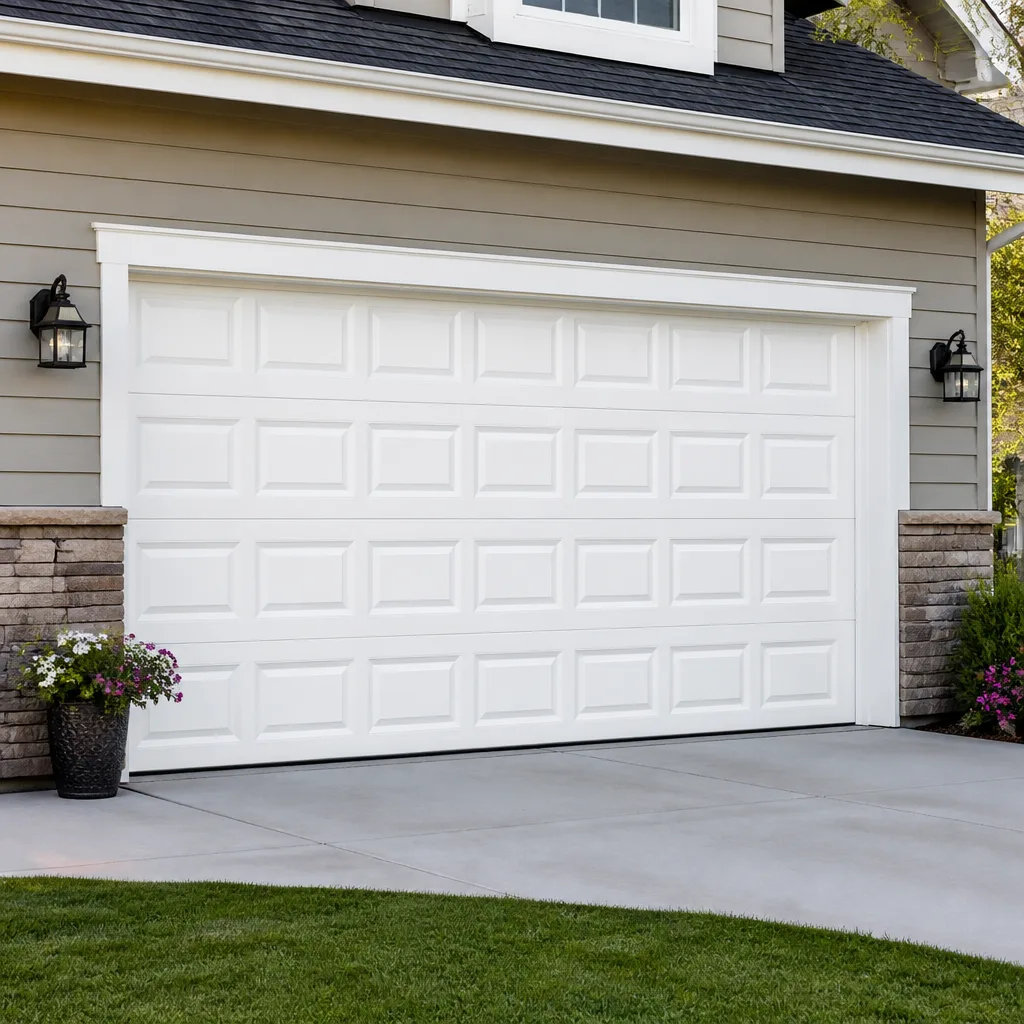 Raised-panel steel
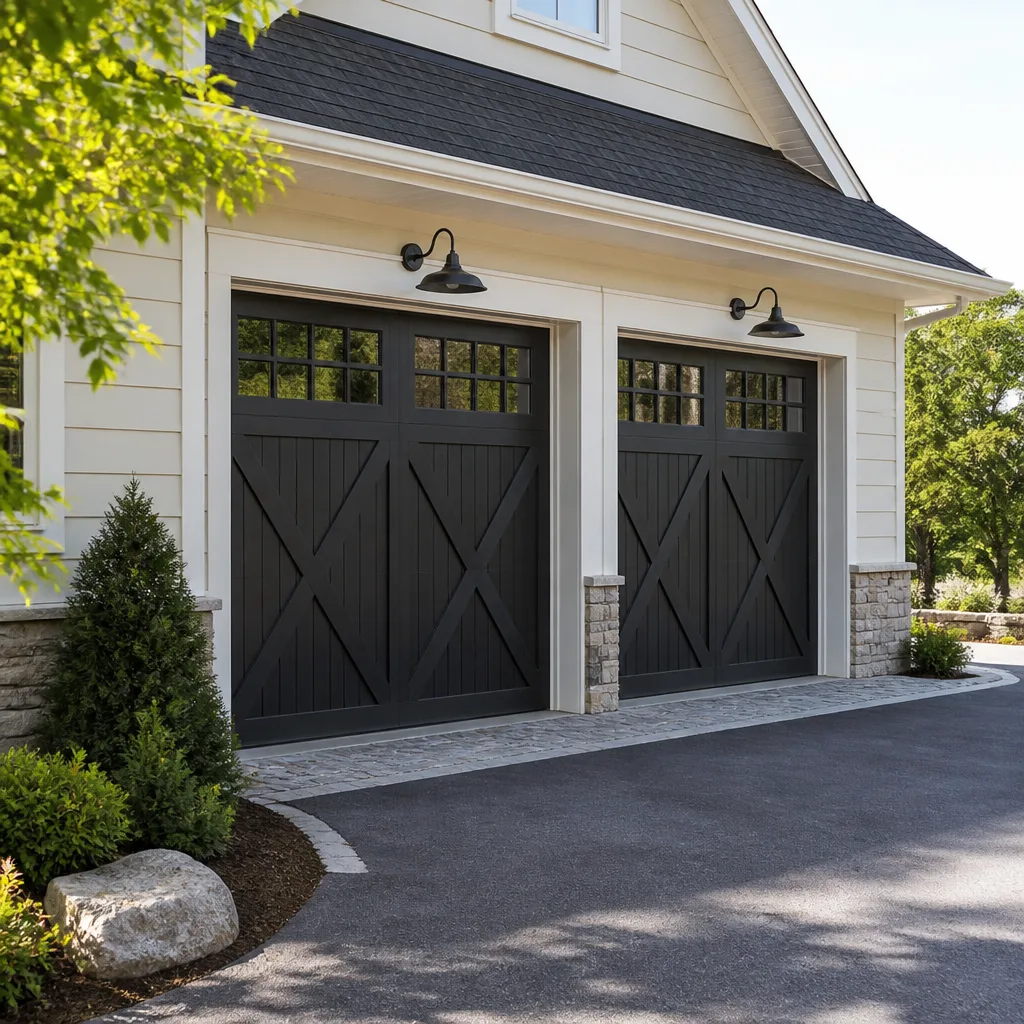 Carriage house
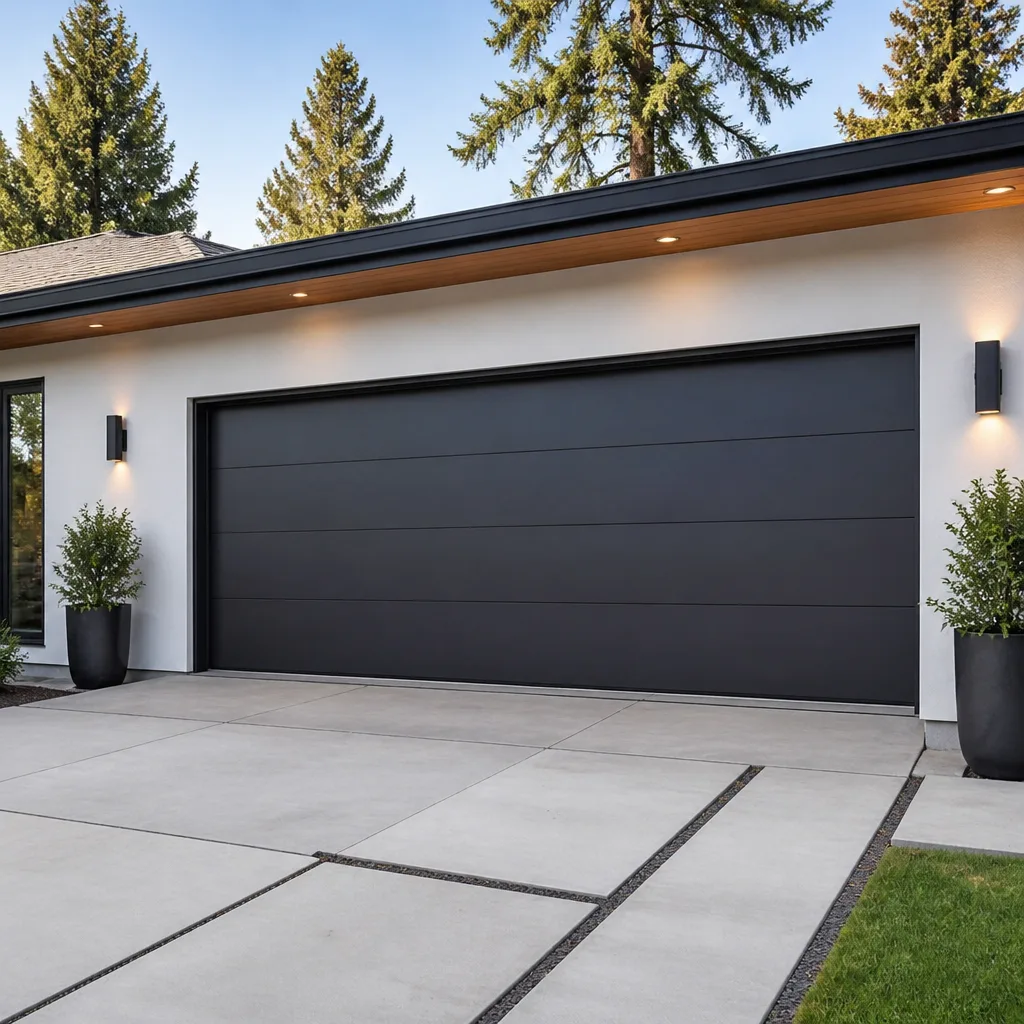 Modern flush
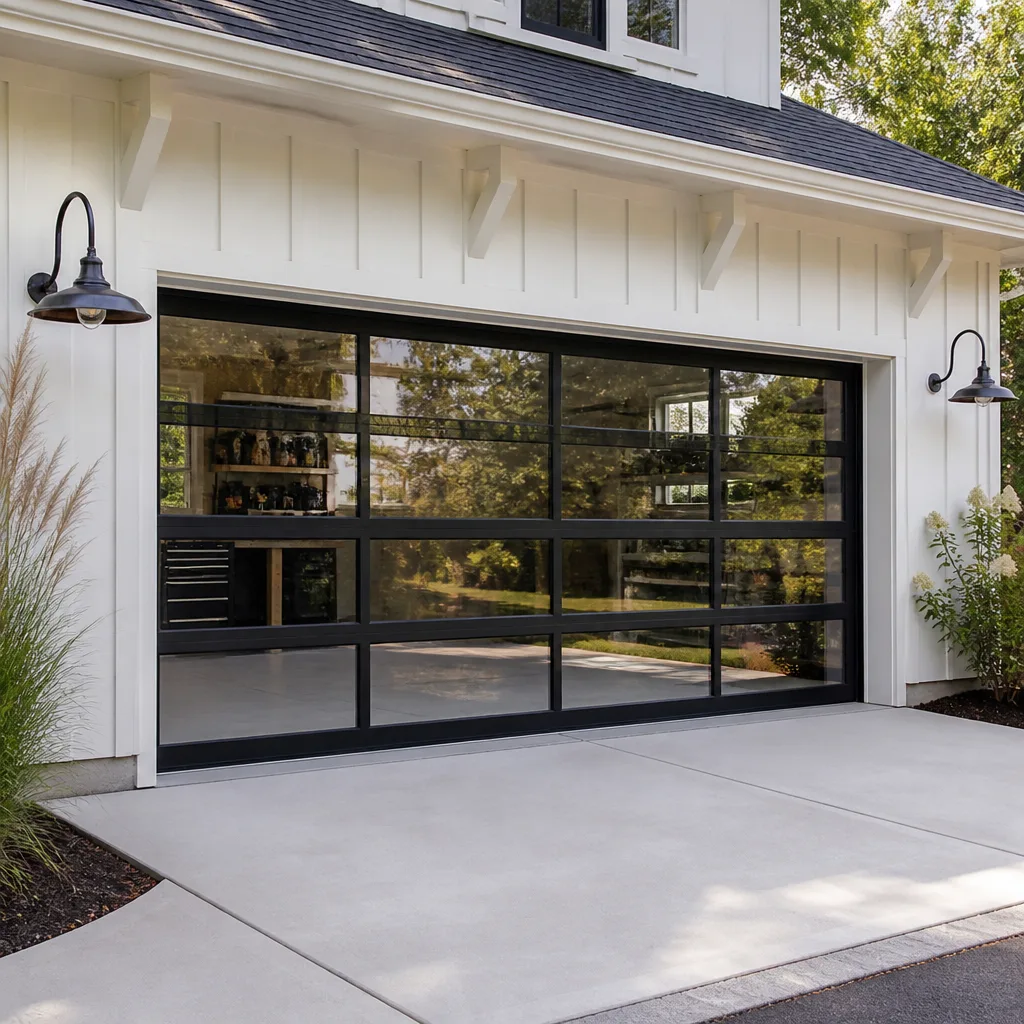 Full-view glass
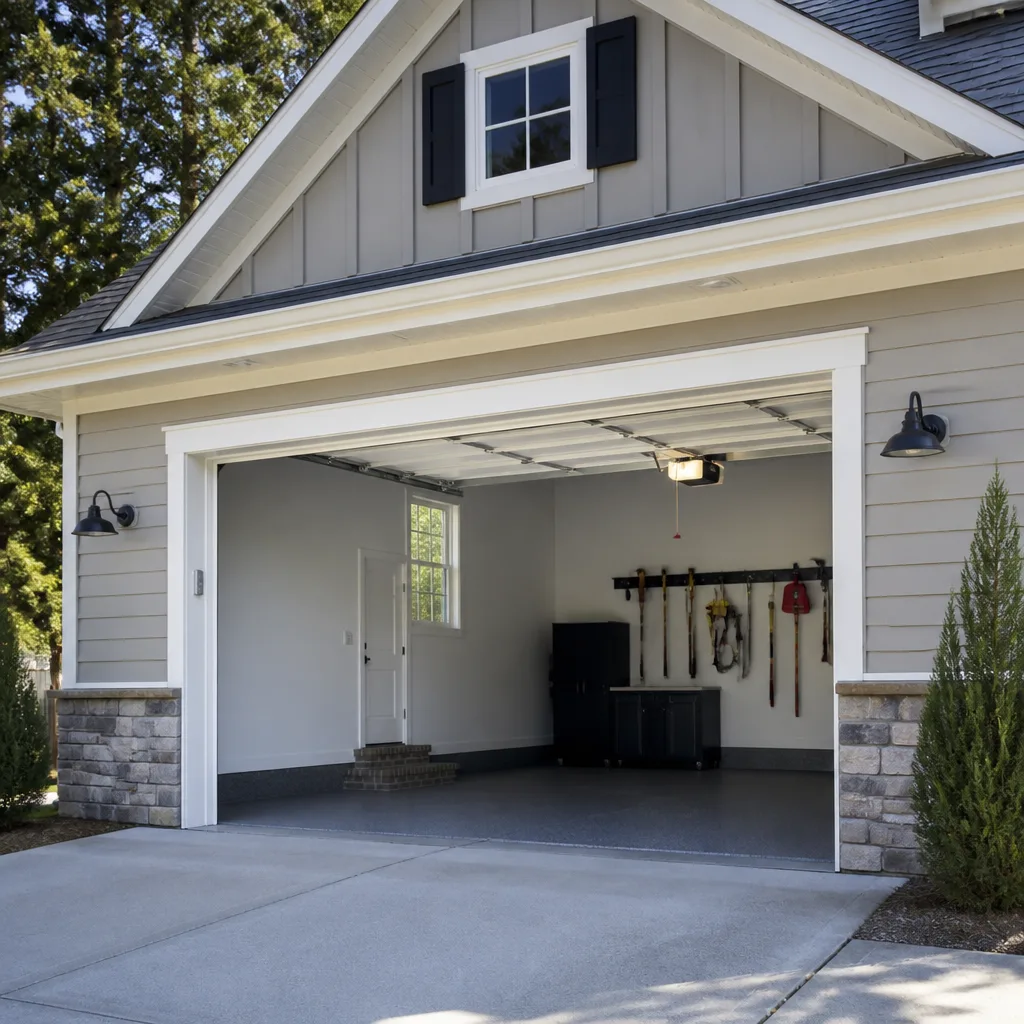 LiftMaster openers
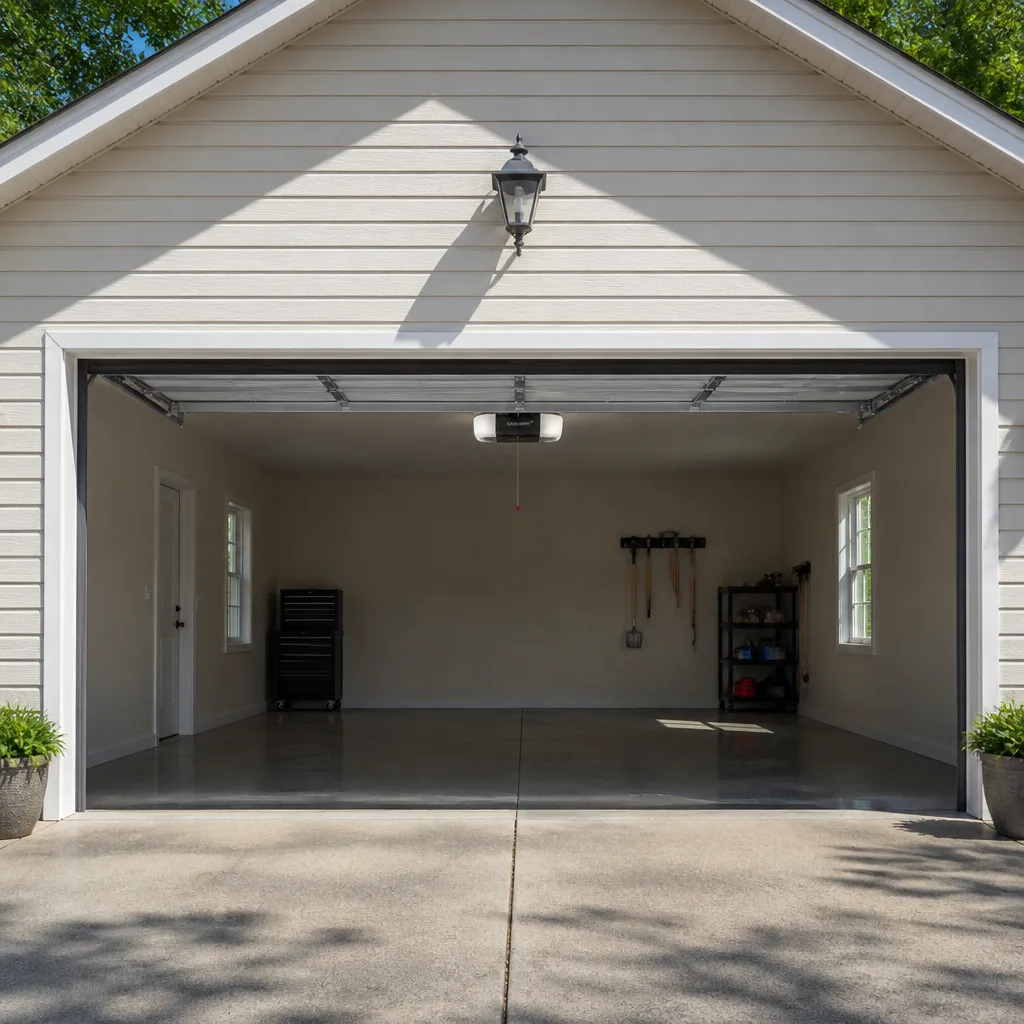 Chamberlain openers
Full 25-point door and opener safety check with every visit - springs, cables, rollers, tracks, and your LiftMaster or Chamberlain opener included
You get a price before we start. It does not change when the pro arrives.
Get your free estimateChoosing the Right Garage Door Brand: A Buyer’s Guide for Arlington
Most garage door brand comparisons floating around online are supply-chain advertisements in disguise. They rank manufacturers by what a particular distributor happens to stock, not by what holds up in a Northern Virginia summer or long enough to still have parts on a shelf in year six. That first-year impression fades fast; what matters later is whether the hardware is serviceable, whether a technician can get the part, and whether the door still clears your HOA’s aesthetic review. This guide evaluates the major brands against the criteria that actually age well in Arlington, and it tells you what a buyer’s guide usually leaves out.
Quick Answer
The best garage door brand for your Arlington home depends on three things: the steel gauge and finish that will survive humidity and freeze-thaw cycles, the depth of the local parts ecosystem for that brand, and whether the door’s design will pass your HOA review. Clopay, Amarr, Wayne Dalton, and Raynor all make competent residential doors, and LiftMaster, Chamberlain, Genie, and Craftsman cover most openers. Buy on serviceability and local availability, not on a generic brand ranking, because a well-supported mid-range door beats an orphaned premium one every time.
Styles & brands we work with
- Raised-panel steel
- Carriage house
- Modern flush
- Full-view glass
- LiftMaster openers
- Chamberlain openers
Table of Contents
- Why the Brand on Your Door Matters More in Year Six
- How We Judge a Brand for Arlington Conditions
- Climate Durability: Steel Gauge, Finish, and Freeze-Thaw
- Parts Availability in Northern Virginia
- Warranty Reality Check
- HOA Approval and Aesthetic Review
- The Opener Brand Question
- Step-by-Step: How to Choose a Brand for Your Home
- Common Mistakes to Avoid
- When to Call a Professional
- Frequently Asked Questions
Why the Brand on Your Door Matters More in Year Six
In year one, nearly every residential garage door looks and works about the same. It opens, it closes, the finish is bright, and the hardware is quiet. The brand barely registers. Fast-forward six or seven years and the differences sharpen into a set of very practical questions: is that model’s hardware line still being made, will a local technician recognize the torsion setup, and can the section or bottom seal be sourced without a special order that drags on for weeks?
Homeowners in Arlington often call after a manufacturer has retired a hardware line or a dealer has changed hands, and the door they bought as a premium product suddenly has a support gap. That gap is a serviceability problem, not a quality problem. Plenty of well-built doors become difficult to maintain because the ecosystem around them thinned out.
In our experience, brand fluency matters most when a door ages. Because we work on LiftMaster, Chamberlain, Genie, Clopay, Amarr, Wayne Dalton, Craftsman, and Raynor, we’ve learned to read a brand for what it will demand of you in year six rather than what it shows off in year one. This is the frame most buyer’s guides skip entirely, and it’s the one that saves you money and hassle down the road.
What you’ll learn here: how to assess a door brand on Arlington’s climate realities, how the local parts ecosystem differs brand to brand, what warranties really cover, how HOA review plays out, and how your opener choice interacts with your door for long-term support. Kingsley Garage Door Repair works on doors and openers exclusively, so we’ll also flag the points where a trained technician matters before you buy.
How We Judge a Brand for Arlington Conditions
A brand ranking means nothing until it’s tied to where you live. In Arlington, three factors decide whether a door brand will serve you well: the brand’s ability to handle humidity and freeze-thaw, the depth of its parts availability in Northern Virginia, and how its standard product lines fare in HOA review. We evaluate every brand on these criteria, and we weight serviceability as heavily as initial fit and finish.
Why those three and not something else? Because they’re the factors that create repeat calls and long-term cost. A door that rusts at the bottom seam, or whose spring bracket becomes a special order, turns a one-time purchase into a running maintenance headache. A door that clears your HOA and has parts a technician can source on a first visit does the opposite.
- Climate durability: gauge of steel, type of finish, and how the panel handles a wet winter followed by a humid summer.
- Parts ecosystem: whether common parts (springs, rollers, cables, seals, and opener logic boards) are readily available in Northern Virginia or require a long special order.
- HOA-friendliness: whether the brand’s standard residential lines give you enough style and color choice to pass review without a custom order.
- Opener compatibility: how cleanly the door works with the major opener brands, and whether mixing brands creates a support problem later.
We also weigh repair-versus-replace honestly. A brand that makes a door easy to repair has a higher long-term value than one that looks better new but pushes you toward replacement as soon as a part fails. That’s why we look at the whole picture rather than a single spec sheet. If you’re in Arlington and thinking through a replacement, our Arlington page lays out the local context, and our garage door repair service is where most of these assessments start.
Climate Durability: Steel Gauge, Finish, and Freeze-Thaw
Arlington’s weather is a stress test in two directions. Winters bring freeze-thaw cycles that work moisture into seams and hardware, and summers bring humidity that lingers on metal and wood alike. A brand that manages both, with a heavier steel gauge and a durable finish, will outlast a brand that looks better on a showroom floor but thins its steel to save cost.
Two things do most of the work here: the gauge of steel each manufacturer uses and the finish system applied over it. Heavier gauge resists denting and holds its shape through seasonal movement. A layered finish (a base coat plus a baked-on top coat) resists the moisture that drives rust at the bottom panel seam, which is where most climate wear shows up first.
What to look for in a door built for this climate
- Section steel gauge: heavier sections resist dents and hold alignment better through thermal movement.
- Finish layers: a base coat plus a durable top coat handles humidity far better than a single thin coat.
- Bottom seal and hardware: seals and metal hardware are where moisture intrusion and rust start first.
- Insulation: an insulated door resists condensation and stabilizes temperature, which helps the finish last longer.
Among the brands we work on, Amarr and Raynor build residential lines with solid steel options and finish systems that stand up to this climate, and Wayne Dalton’s insulated models hold up well in homes where the garage shares a wall with living space. We’re not ranking them above the others; we’re saying they’re built for the conditions Arlington actually presents. The door you already have, whichever brand it is, is judged on the same criteria during a service call. If a seal or a bottom section is failing, that’s a repair conversation, and we can tell you whether the climate has simply caught up with the hardware or whether the brand’s build is the weak link.
One safety note that applies to every brand: torsion springs and the cables that hold them under tension are genuinely dangerous components. Never attempt to adjust, remove, or replace a spring or cable yourself, regardless of how straightforward a video makes it look. Those carry stored energy that can cause serious injury in an instant. Leave spring and cable work to a trained technician, and use your own inspection to spot the warning signs rather than fix them.
Parts Availability in Northern Virginia
The single most overlooked factor in choosing a door brand is whether its common parts are easy to source where you live. In Northern Virginia, the brands with deep local parts availability (Clopay, Amarr, Wayne Dalton, and LiftMaster on the opener side) make routine service quick. Brands with thin local distribution can turn a routine roller or spring replacement into a special order with a real wait.
Here’s how to think about it, and how we think about it when we open the back of the truck or place an order:
- Common service parts first. Springs, rollers, hinges, cables, and bottom seals are the parts that fail most often. A brand whose common components are stocked locally gets repaired on the first visit.
- Structural parts second. Panels, brackets, and tracks are less frequent failures but a bigger deal when they happen. A special-order panel that takes weeks to arrive means your door sits out of service.
- Opener logic boards and remotes third. If the opener and door brands share an ecosystem, or if the opener is one of the widely supported brands, a control-board or remote fix is straightforward.
- Obsolete hardware last. When a manufacturer retires a line, even a good door can become hard to support. This is the scenario that pushes a repair toward replacement, and it’s worth knowing before you buy.
We keep our knowledge current across the major brands so that when a part is needed, we know which ones can be sourced locally and which can’t. That’s the practical value of brand fluency: it’s not about loyalty to a logo, it’s about knowing the first-visit fix from the multi-week wait. Our Kingsley Garage Door Repair team handles garage door repair across the county, and parts availability is one of the first things we assess on a call. If you’re weighing a brand before you buy, ask the seller directly: how quickly can a bottom section or a torsion bracket for this model be sourced in Northern Virginia? The answer tells you a lot about year six.
Warranty Reality Check
Garage door warranties are usually narrower than the sales sheet suggests, and the part that trips most homeowners up is the difference between a manufacturer’s warranty and a dealer-based claim. A manufacturer warranty typically covers the product against defects, but it isn’t a service contract. It won’t pay for the labor to diagnose a problem, and it won’t cover wear parts like springs, rollers, or seals that simply wear out with use.
The gap most people hit is the dealer claim. When a covered defect appears, the path usually runs through an authorized dealer rather than the manufacturer directly, and homeowners who never bought through a dealer or lost track of one can struggle to navigate that process. That’s a coverage-in-name-only scenario, and it’s worth understanding before you rely on a warranty for peace of mind.
What a warranty typically covers, and what it usually doesn’t
- Usually covered: defects in materials or workmanship on the door sections or the finish, within the stated period.
- Usually not covered: wear parts (springs, rollers, hinges, cables, seals), labor to diagnose or install, and damage from impact or weather.
- Often complicated: claims that require going through an authorized dealer, which many homeowners find difficult to complete.
The practical takeaway is to read the warranty for what it does and doesn’t promise, and don’t treat it as a repair plan. A door brand with parts availability and a knowledgeable local technician is more useful in year six than a warranty with a claim process you can’t finish. When we assess a failing door, we tell you whether the issue is a covered defect worth pursuing or ordinary wear that a repair will handle. We work on Clopay, Amarr, Wayne Dalton, Raynor, and the major openers, so we can give you a straight answer about where the warranty ends and the repair begins.
HOA Approval and Aesthetic Review
In Arlington’s many HOA communities and historic districts, the door brand matters as much for what it offers in standard style and color as for how it’s built. A brand with a deep standard product line (multiple panel styles, window options, and colors) is far more likely to clear aesthetic review without a custom order. A brand with limited options can force you into a special order or a rejected application.
HOA review is where a good door can get delayed or denied for reasons that have nothing to do with quality. Panel style, window configuration, and color are the usual sticking points, and some neighborhoods also care about the hardware finish and whether the door reads as a consistent style with the surrounding homes.
- Get your HOA’s written guidelines before you shop. Style, color, and window rules are the specifics that decide which brands’ standard lines will pass.
- Favor brands with broad standard lines. Clopay and Amarr both offer enough standard panel and color choices to clear most reviews without a custom order.
- Submit the exact model and color. Reviewers want the specific product, not a general style, so pull the model sheet before you apply.
- Keep a copy of the approval. It’s useful if a future service or replacement touches the door’s appearance.
- Ask about historic-district rules too. Some Arlington properties have additional review beyond the HOA, and the door’s style needs to satisfy both.
In our experience, HOA friction is a bigger cause of delayed projects in Arlington than door quality ever is. Choosing a brand with a broad, review-friendly standard line avoids that whole problem. When you’re planning a new installation, our Arlington page gives you local context, and if your door is still working, the brand question is often a future decision rather than an urgent one.
The Opener Brand Question
Your door brand and your opener brand don’t have to match, but the pairing affects how easy the system is to service over its life. The major openers (LiftMaster, Chamberlain, Genie, and Craftsman) pair cleanly with almost any residential door, because the opener is matched to the door’s weight and balance, not manufactured as a package with it. Mixing brands is fine; the risk is in the support picture, not compatibility.
Where mixing creates friction is when an opener’s parts or logic boards become a special order, or when an older opener is paired with a newer, heavier insulated door it wasn’t sized for. A door and opener that are well matched on the day of installation stay serviceable longer than a mismatched pair, and that’s a big part of where the long-term cost lives.
How to keep the pairing supportable
- Size the opener to the door. A heavier insulated door needs an opener rated for it, so check the door weight against the opener’s capacity.
- Favor widely supported openers. LiftMaster, Chamberlain, Genie, and Craftsman are the openers a local technician is most likely to have parts for.
- Watch the age gap. A newer door paired with an old, unsupported opener is a future repair waiting to happen; plan to update both together when one reaches the end of its life.
- Don’t chase a matching logo. Matching the door and opener brand is cosmetic, not functional. Serviceability matters more.
If your opener is struggling, that’s a garage door opener repair conversation, and we can tell you whether the fix is a part, a re-size, or a replacement. Opener diagnosis is where brand knowledge pays off fastest, because a technician who knows the major brands reads the error codes and the symptoms directly instead of guessing. Our technicians have up to 11 years of experience with these systems, and it shows most clearly when an opener is misbehaving in a way that isn’t obvious.
Step-by-Step: How to Choose a Brand for Your Home
Here’s the process we recommend to Arlington homeowners choosing a door brand. It’s built around the factors that age well, not the factors that look best in a showroom. Work through it in order, and you’ll land on a brand that still makes sense in year six.
- Check your HOA guidelines first. Style, color, and window rules narrow the field before you compare quality. There’s no point evaluating a brand whose standard line won’t pass review.
- Confirm local parts availability. Ask how quickly common parts (springs, rollers, seals) and structural parts (panels, brackets) can be sourced in Northern Virginia for the model you’re considering.
- Weigh steel gauge and finish. Heavier steel and a layered finish handle Arlington’s humidity and freeze-thaw better than a thin, single-coat door.
- Read the warranty for coverage and claim path. Confirm what’s covered, what’s excluded as wear, and whether a dealer claim is required.
- Check opener compatibility. Make sure your opener is sized for the door and is one of the widely supported brands, or plan to update both together.
- Plan for the repair-to-replace decision. Ask whether the brand’s common failure points are repairable and how long its hardware line has been supported.
- Get a written estimate from a technician who knows the brand. A specialist who works across the major brands can tell you what the door will demand of you over time.
This process treats the door as a system with a service life, not a one-time purchase. That’s the difference between a decision you’re happy with in year one and a decision you’re still happy with in year six. If you want a second look before you commit, we can assess it against the same criteria.
Common Mistakes to Avoid
- Ranking brands by what a distributor stocks. Availability at one supply chain is not a quality signal, and it can change. Judge the door on gauge, finish, and local parts availability instead.
- Ignoring HOA review until after you’ve chosen a door. A rejected application delays the whole project, and a brand with a broad standard line avoids that risk in Arlington’s HOA communities.
- Trusting a warranty without reading the claim path. A warranty that requires a dealer claim many homeowners can’t finish is coverage in name only. Read the terms before you rely on it.
- Mixing a newer heavy door with an undersized opener. An opener rated for a lighter door will strain and fail faster. Check the door weight against the opener’s capacity.
- Replacing a door when a repair would do. A brand that’s well supported locally often repairs cleanly; replacement is a last resort, not a default. We tell you which is right rather than pushing the more expensive option.
- Assuming a premium brand is always the safer choice. An orphaned premium door with no local parts support is worse than a well-supported mid-range one. Serviceability outlasts a logo.
- Forgetting that springs and cables are dangerous. Never attempt spring or cable work yourself. Those components store serious energy, and a trained technician should handle every adjustment.
When to Call a Professional
Some brand questions are simple and can wait; others involve components that shouldn’t. Call a professional when a spring or cable is involved, when your door is unbalanced or binding, when an opener is unresponsive or off its track, or when you’re deciding between repair and replacement and want an honest assessment. Spring and cable work carries real injury risk, so it’s not a decision to make alone. For the rest, a specialist who works across the major brands can tell you quickly whether a part, a repair, or a new door is the right answer. Kingsley Garage Door Repair offers free estimates in Arlington. Call (844) 484-2584. We answer 24/7. Fast dispatch from 7am to 7pm, Sunday through Friday. Our technicians have up to 11 years of experience.
Frequently Asked Questions
There isn’t one universal best brand; the right choice depends on your HOA’s aesthetic rules, local parts availability, and the steel and finish that suit Arlington’s climate. Clopay, Amarr, Wayne Dalton, and Raynor all make residential doors that hold up well here. Weight serviceability and local support more heavily than any generic brand ranking. Call (844) 484-2584 for an exact quote; estimates are free.
They matter most in year six, when parts availability and manufacturer support separate a well-built, well-supported door from an orphaned one. In year one they look similar. Ask about local parts availability and the warranty claim path before you buy. Call (844) 484-2584 and we’ll walk you through the decision.
No; the major openers pair fine with almost any residential door, since the opener is matched to the door’s weight and balance rather than manufactured as a package. What matters is that the opener is rated for your door and is a widely supported brand like LiftMaster, Chamberlain, Genie, or Craftsman. Call (844) 484-2584 with your door and opener details for an exact quote.
The written estimate sets the price, and the estimate is free, so there’s no surprise invoice after the work. We quote and agree the price before any work starts. Call (844) 484-2584 to schedule a free estimate in Arlington.
Get your HOA’s written guidelines on style, color, and windows first, then favor brands with broad standard lines so you clear review without a custom order. Submit the exact model and color, keep the approval, and check historic-district rules if they apply. Call (844) 484-2584 for a free estimate once you’ve settled on a model.
Often yes, but the deciding factor is whether the parts are available and how quickly they can be sourced in Northern Virginia. A less common brand may mean a special order for a common component. We work across eight major brands, so we can usually tell you on the first visit what a repair will involve. Call (844) 484-2584 for a free estimate.
The Bottom Line
The brand on your garage door is a serviceability question more than a bragging-rights question. Choose a brand whose steel and finish handle Arlington’s humidity and freeze-thaw, whose common parts are easy to source in Northern Virginia, whose standard lines clear HOA review, and whose opener pairing stays supportable. Read the warranty for its claim path, not its headline, and treat repair as the first option rather than replacement. Get an honest assessment from a technician who knows the major brands, and make the decision you’ll still be happy with in year six. If you’d like a second opinion, we’re here to help.
Ready to make the call? Call (844) 484-2584 for a free estimate. We answer 24/7. Fast dispatch from 7am to 7pm, Sunday through Friday. Kingsley Garage Door Repair works on garage doors exclusively, diagnosing and repairing across LiftMaster, Chamberlain, Genie, Clopay, Amarr, Wayne Dalton, Craftsman, and Raynor. Your opener. Your door. Our specialty.
Written by the team at Kingsley Garage Door Repair.
See the difference
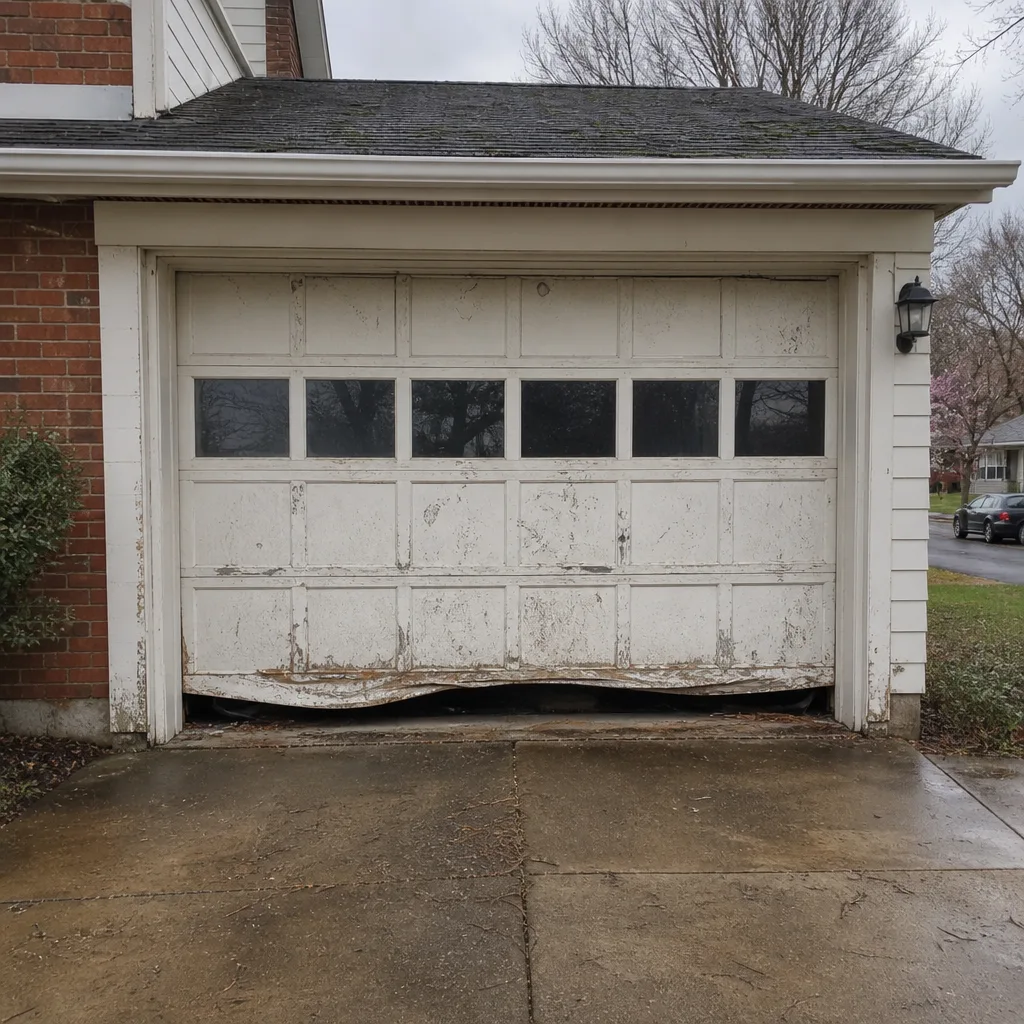 Before
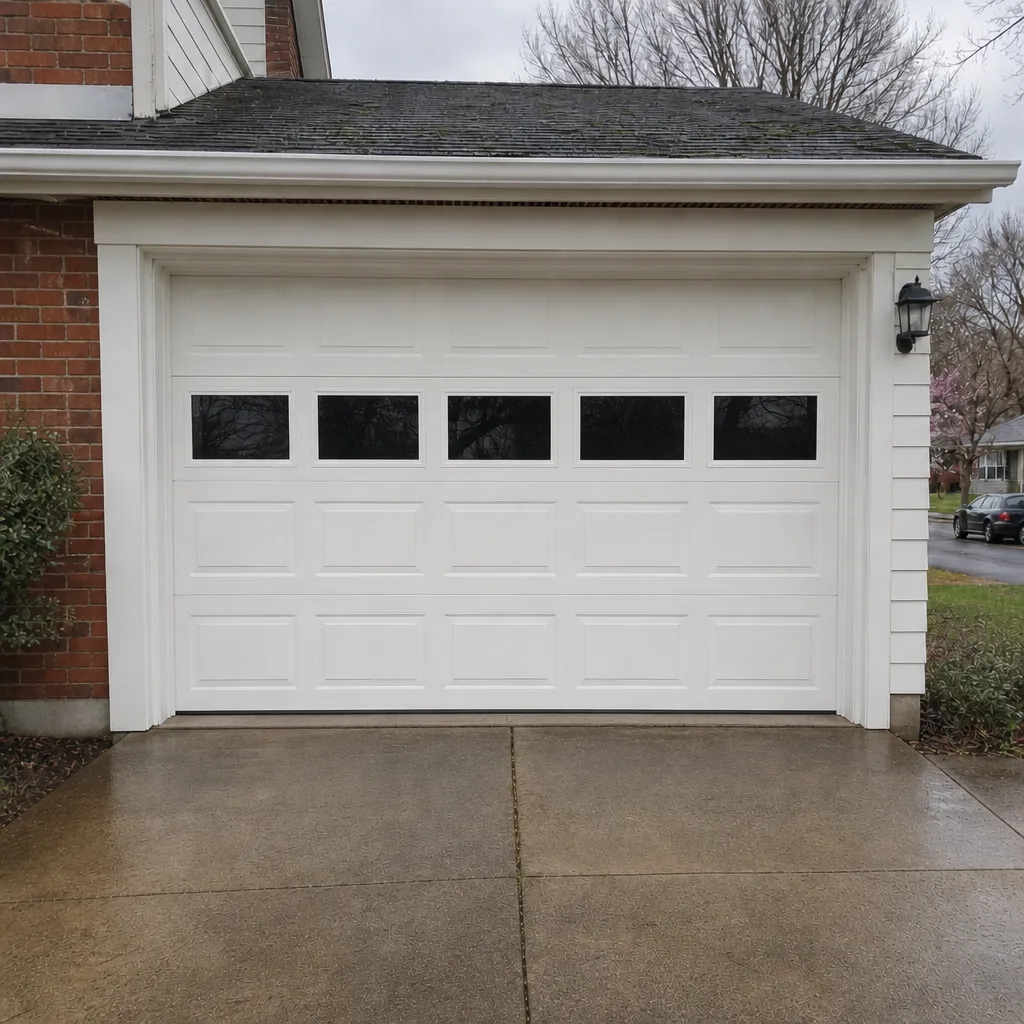 After
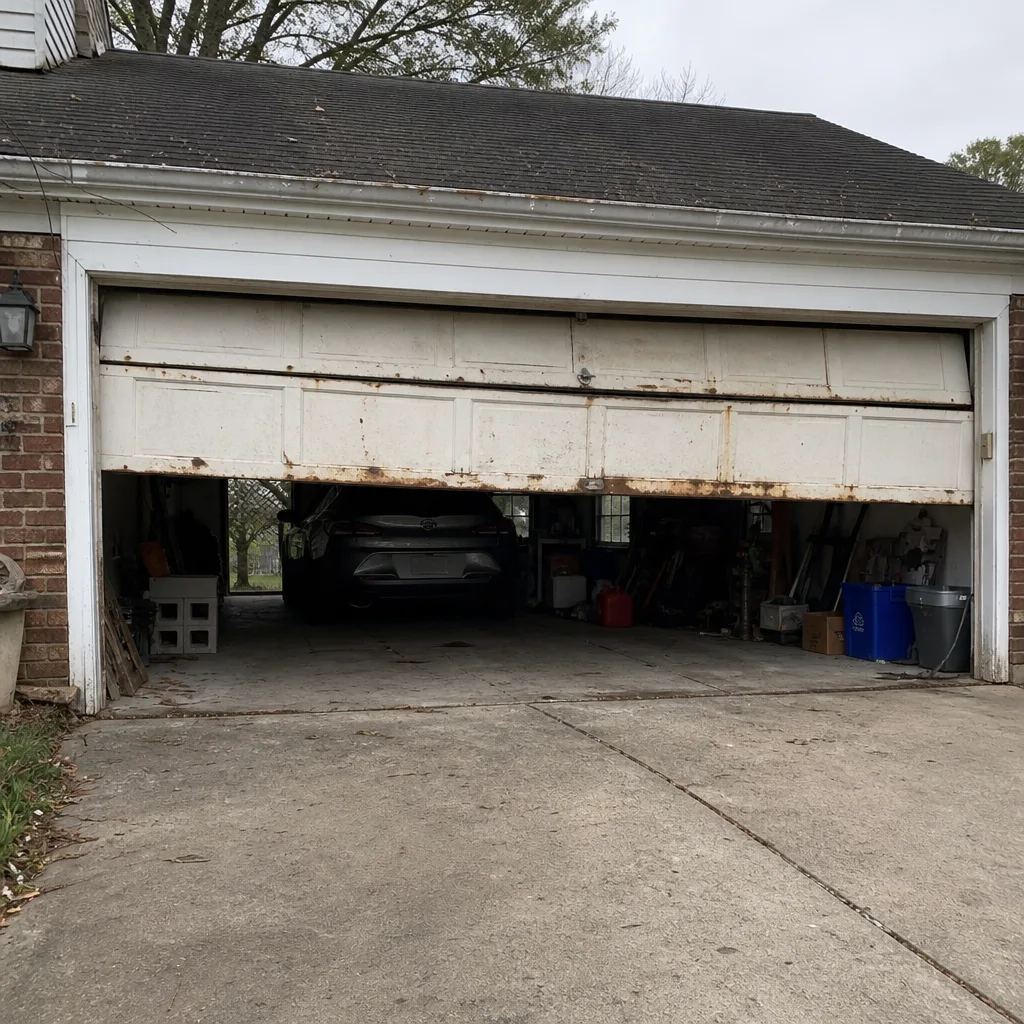 Before
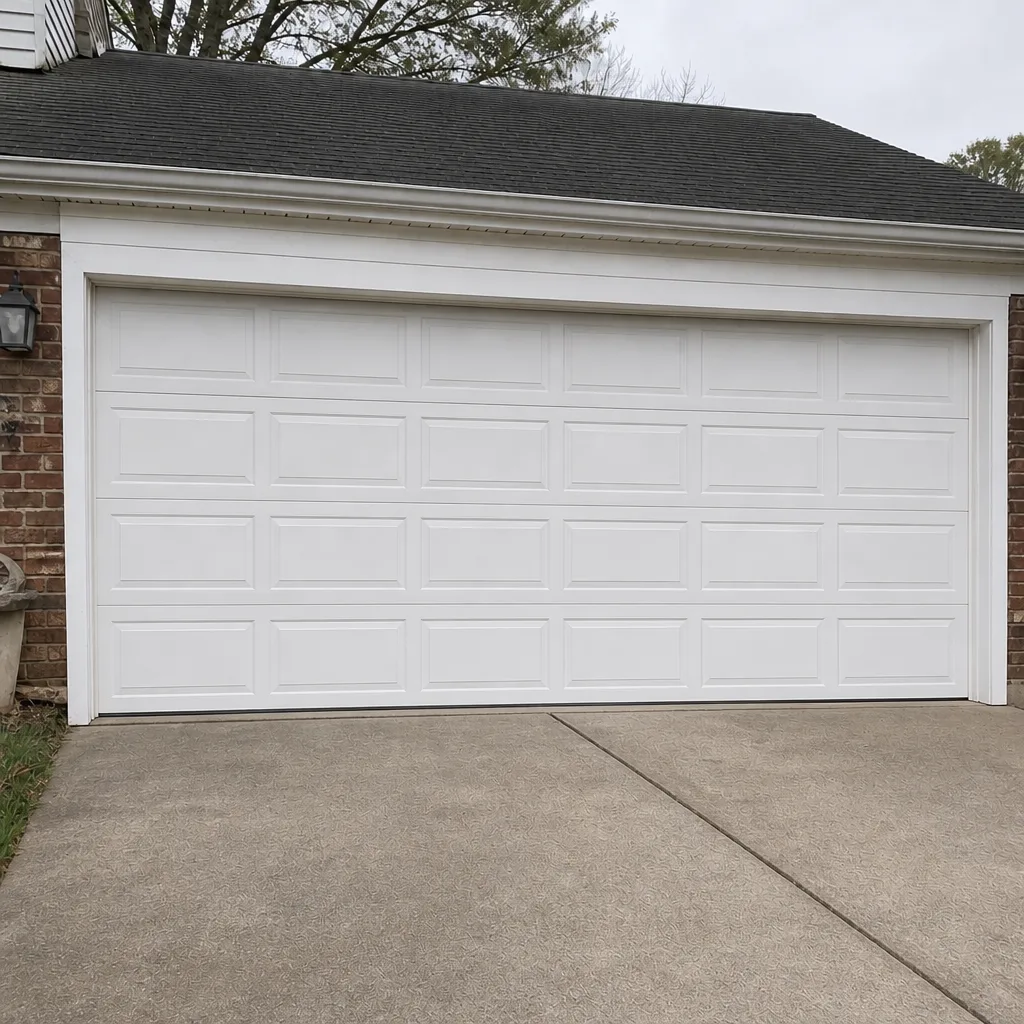 After
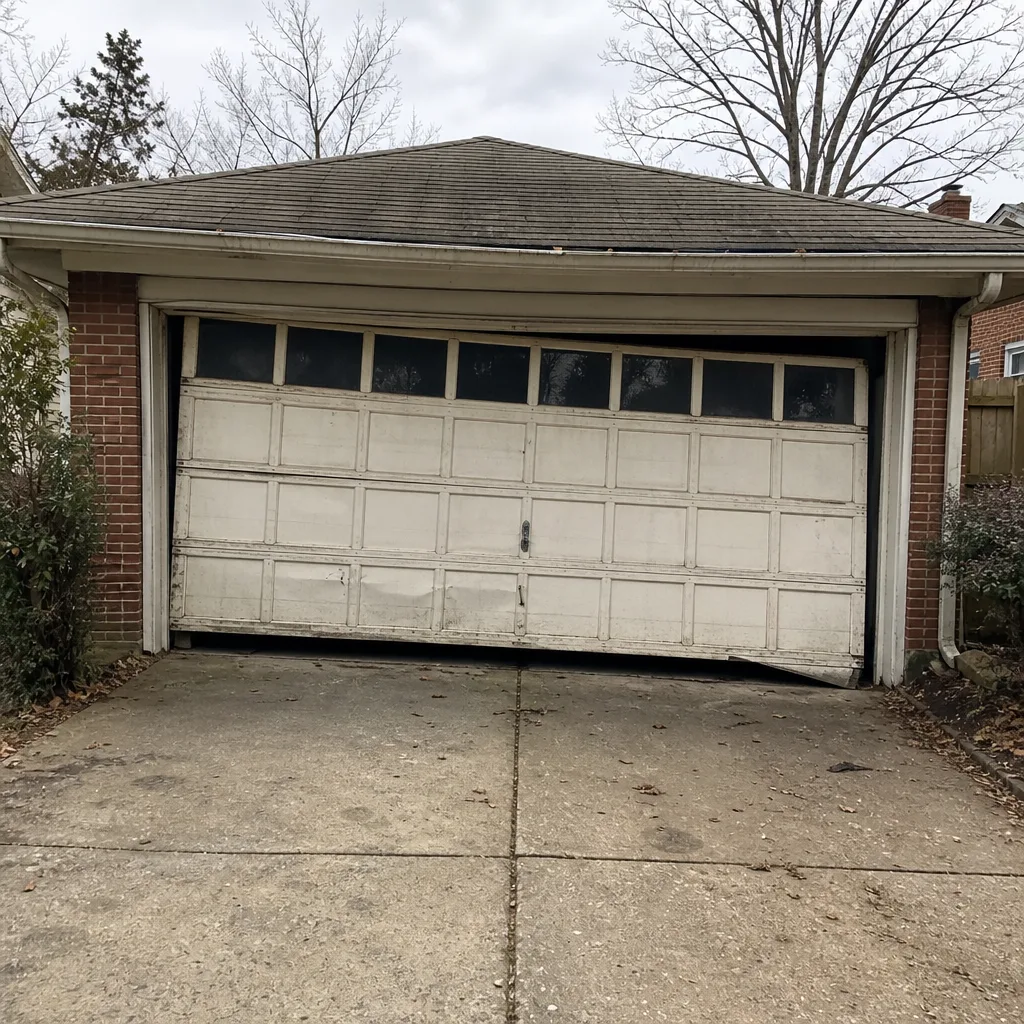 Before
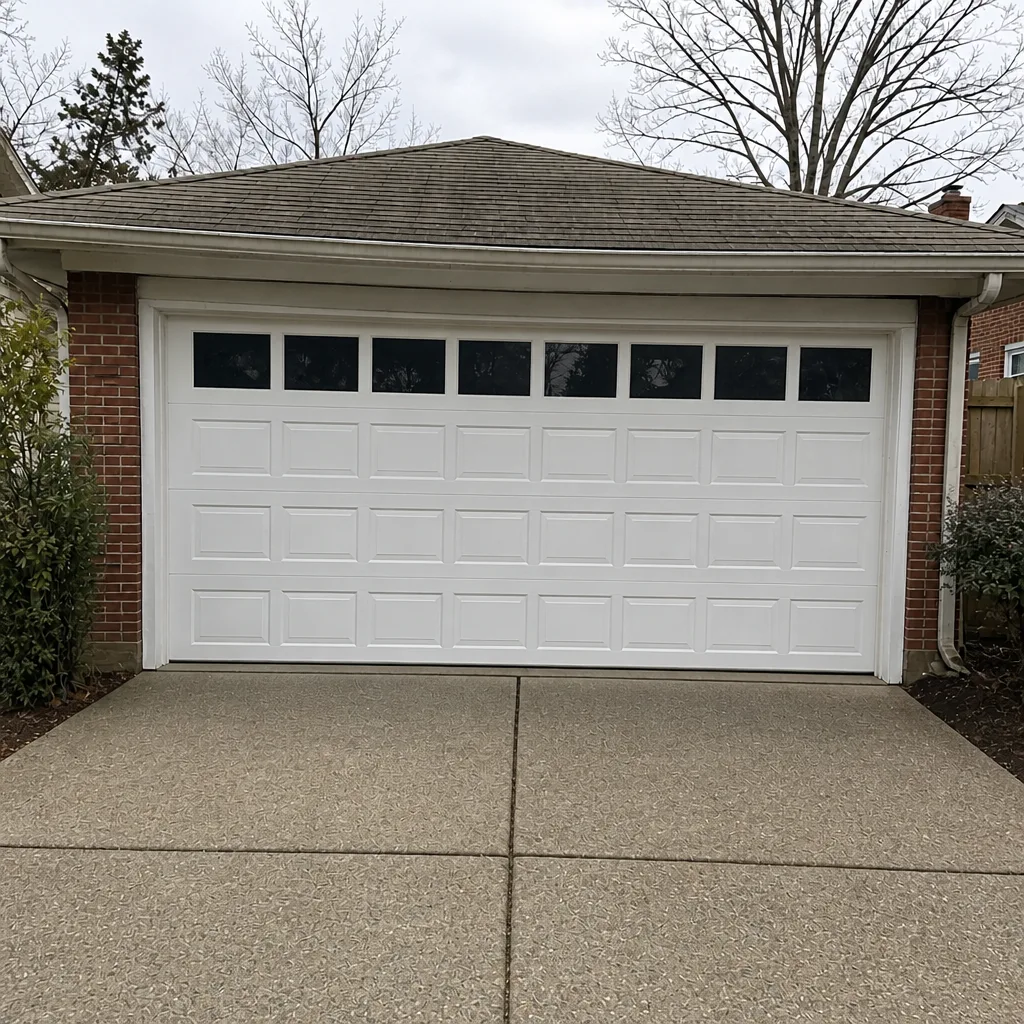 After