
Last updated November 16, 2026
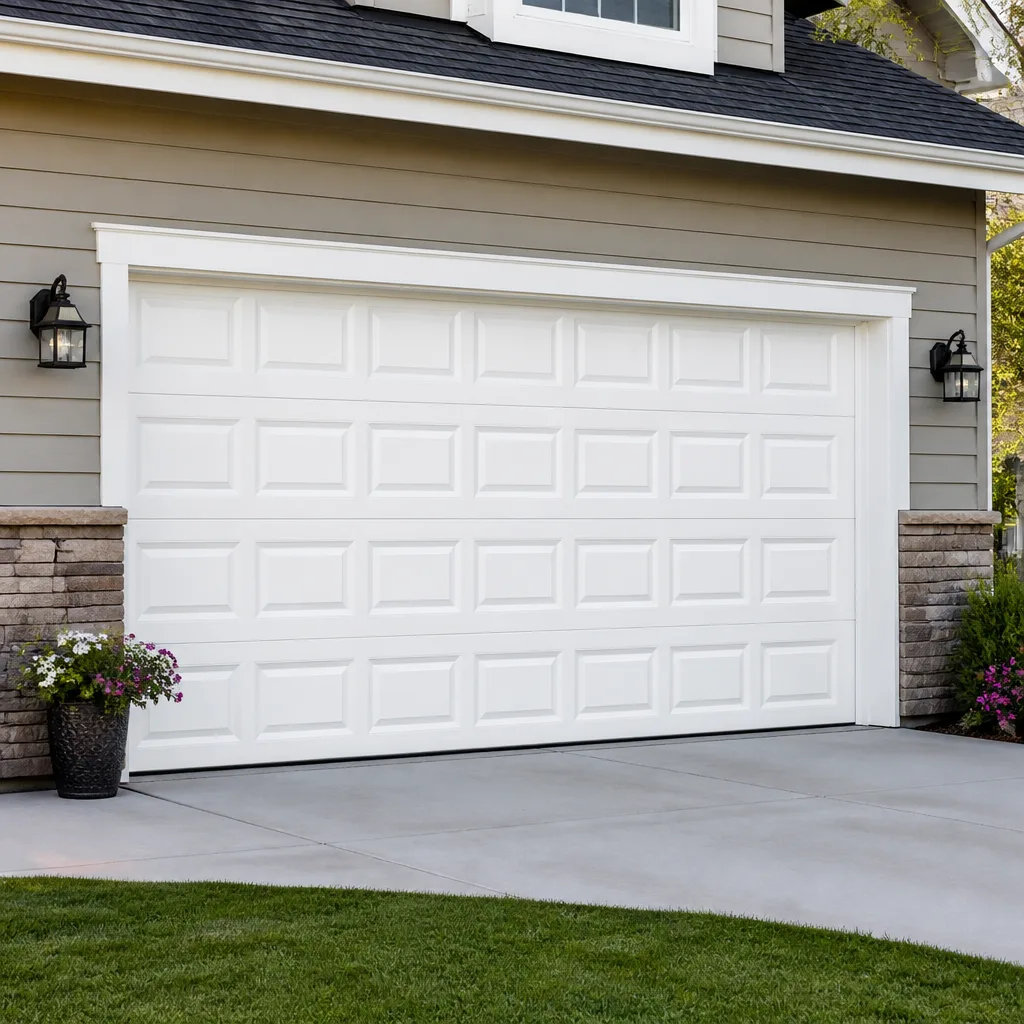 Raised-panel steel
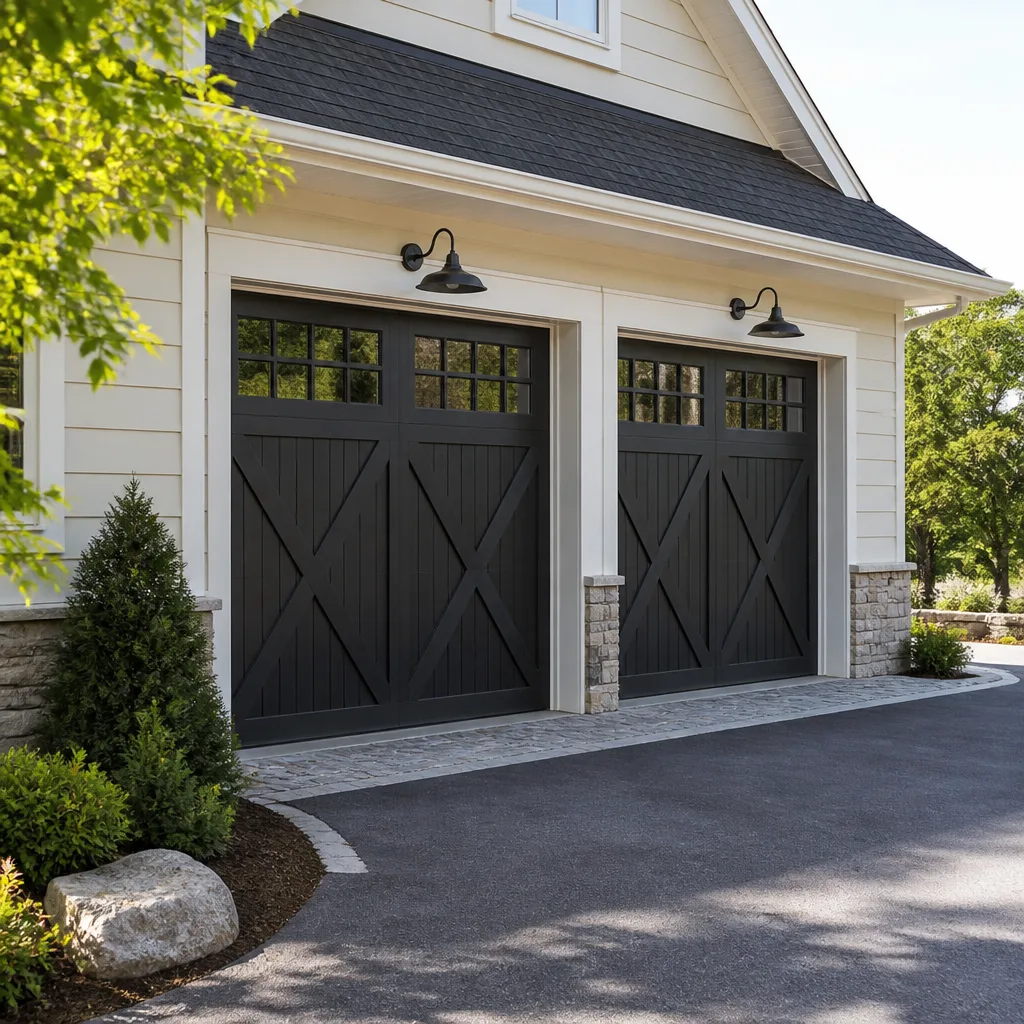 Carriage house
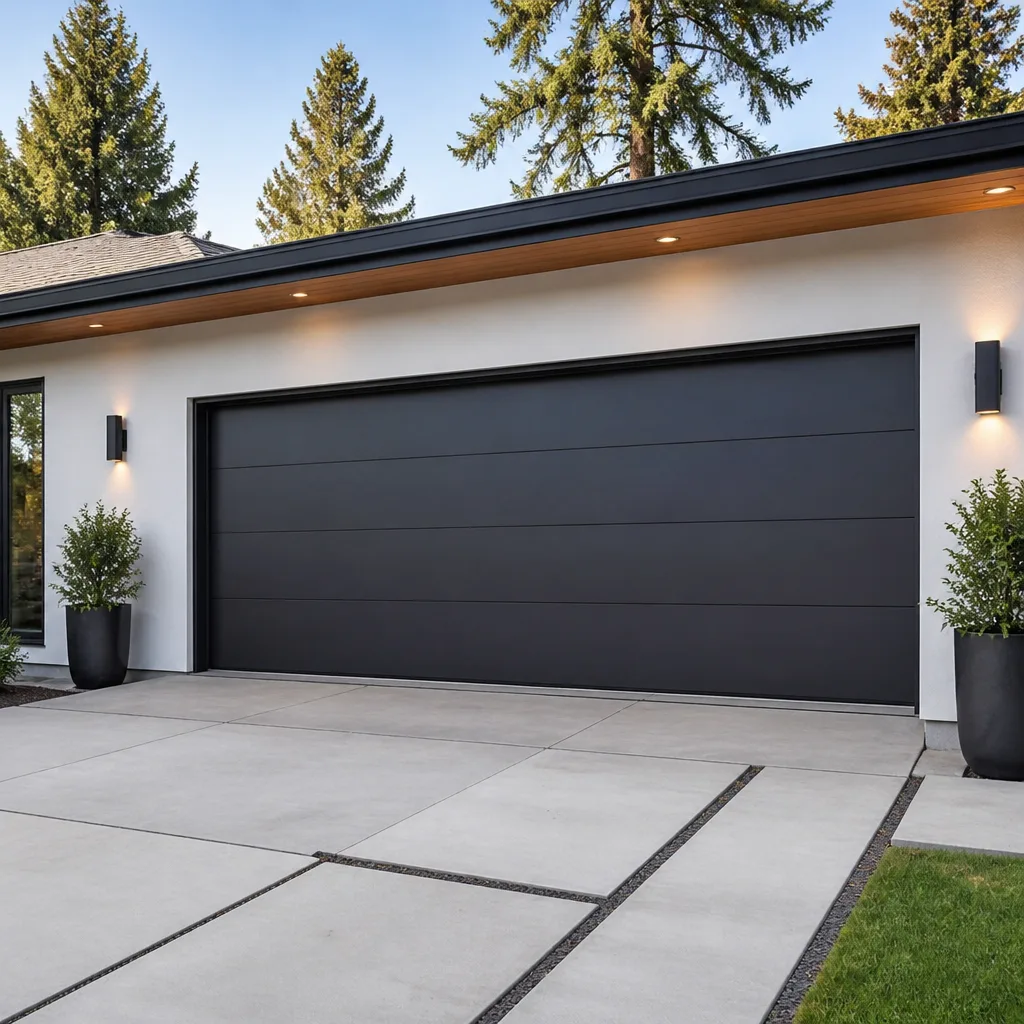 Modern flush
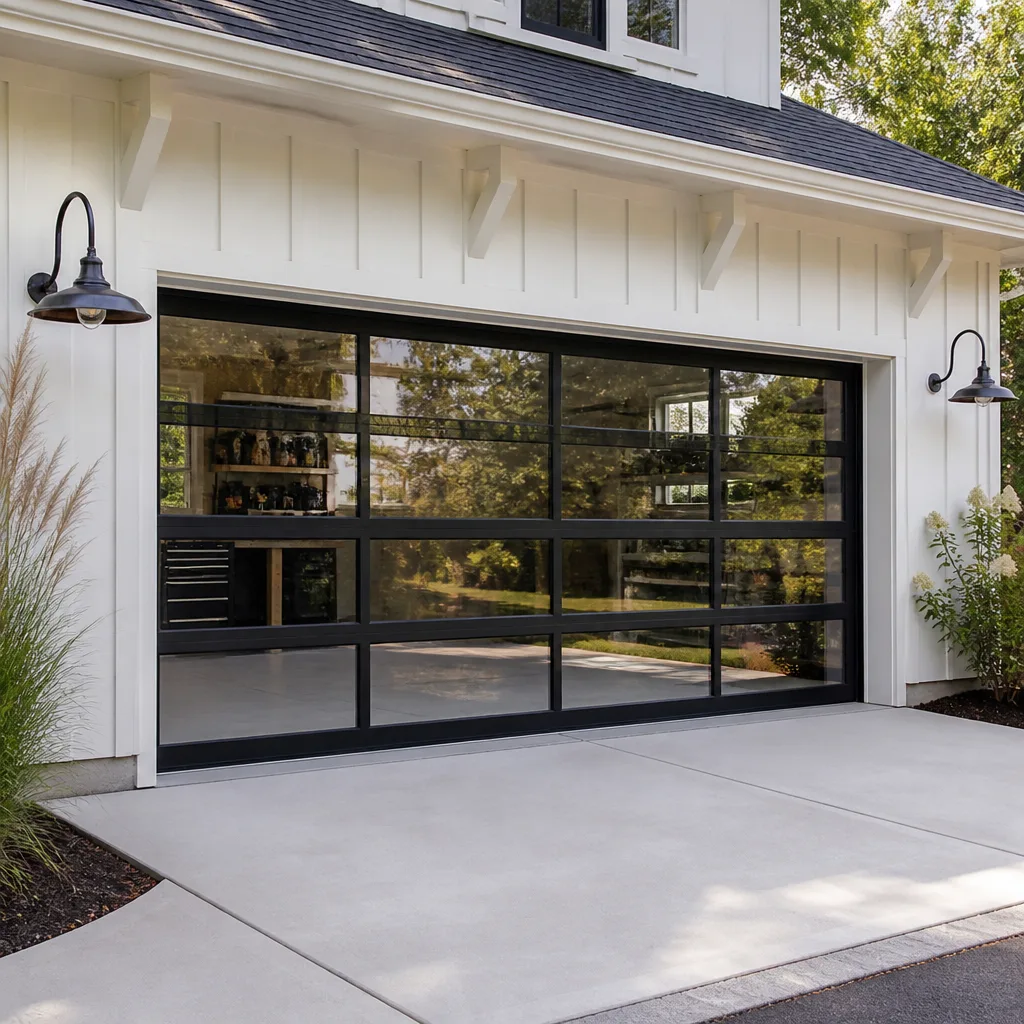 Full-view glass
 LiftMaster openers
 Chamberlain openers
Full 25-point door and opener safety check with every visit - springs, cables, rollers, tracks, and your LiftMaster or Chamberlain opener included
You get a price before we start. It does not change when the pro arrives.
Get your free estimateSeasonal Garage Door Care for Arlington: Year-Round Homeowner’s Guide
Most seasonal garage door advice is written for somebody else. Northern guides assume months of hard freeze and road salt; Southern guides assume a door that never sees ice at all. Arlington sits in the awkward middle. We get cold enough snaps to stress cables and stiffen lubricant, and humid enough summers to swell a wood door against its frame, but because neither extreme matches what people read about, plenty of homeowners here do nothing seasonal at all. That gap is where most avoidable failures start. This guide treats each season as a separate mechanical event and shows you what to actually look at, in what order, and when to stop and call someone.
Quick Answer
Seasonal garage door care in Arlington means inspecting and adjusting the door four times a year: weatherstripping and cable condition before the first hard freeze in fall, lubricant and balance checks through winter, a fastener and track inspection in March after the freeze-thaw cycle, and a bind-and-clearance check in summer when humidity swells wood doors. The single task most homeowners skip is a full balance and tension check, and that oversight accounts for the majority of preventable cable failures we see.
Styles & brands we work with
- Raised-panel steel
- Carriage house
- Modern flush
- Full-view glass
- LiftMaster openers
- Chamberlain openers
Table of Contents
- Fall in Arlington: Prep Before the Freeze-Thaw Cycle
- Winter: Cold Mornings, Lubricant Viscosity, and How Your Door Behaves Below 20°F
- Spring: The Fastener and Frame Inspection Every Door Needs in March
- Summer: Humidity, Wood Door Expansion, and the July Bind
- The One Annual Task Most Arlington Homeowners Skip
- Your Four-Season Inspection Calendar
- What You Can Check Yourself and What You Shouldn’t
- Common Mistakes to Avoid
- When to Call a Professional
- Frequently Asked Questions
Fall in Arlington: Prep Before the Freeze-Thaw Cycle
Fall is the season that decides how your door survives January. Arlington’s freeze-thaw pattern means a door can sit at 55°F on a Tuesday and 22°F by the weekend, and that swing cycles every moving part through expansion and contraction. The goal in fall is not to “winterize” in the heavy-handed sense. It’s to catch the parts that are already marginal so cold weather doesn’t finish them.
Start with the weatherstripping, and do it before ground frost sets in. The rubber flap along the bottom of the door and the seals around the sides and top are what keep wind-driven rain out of the frame. When those seals harden or tear, water gets behind the door, freezes, and pries at the frame. Check three things:
- Bottom seal flexibility. Bend the flap with your fingers. If it cracks or stays deformed, it’s done.
- Side and top seals. Run a hand along the frame joint and look for daylight, gaps, or peeling adhesive.
- Threshold contact. Close the door and look for a uniform line of contact. A gap on one side often means the door is out of level, not that the seal is bad.
Next, check the cables for fraying and rust, look at the spring for gaps or a visible gap in the coil, and listen to the door as it travels. A door that thumps, squeals, or hesitates in October is telling you something before the cold arrives. Our technicians have up to 11 years of experience, and the pattern is consistent: the doors that fail in a January cold snap were already complaining in October.
If your door is a wood model, this is also the window for a light inspection of the finish. Paint and stain protect the door from moisture uptake, which matters as much going into winter as it does in summer. If the coating is failing on the bottom panel, that’s the panel most exposed to splashing and freeze damage.
Winter: Cold Mornings, Lubricant Viscosity, and How Your Door Behaves Below 20°F
Arlington gets enough sub-20°F nights to matter and not enough of them to make people think about it. That’s the trap. A door that’s perfectly behaved at 40°F can behave very differently at 18°F, and the difference is usually about lubricant, not the door itself.
Grease thickens as it cools. A lubricant that’s smooth and easy at room temperature can congeal in the hinges, rollers, and the opener’s drive train, and once it does, every moving part has to work harder to travel the same distance. The door gets sluggish, the opener strains, and the springs take load they weren’t designed to carry at that speed. Here’s how the common formulations behave in an Arlington winter:
- Lithium grease: Commonly used and available, but it thickens noticeably below freezing and can become tacky. Fine in mild weather, less fine in a hard cold snap.
- Silicone spray: Stays fluid at low temperatures and won’t gum up. A good choice for hinges, rollers, and the opener rail.
- White lithium in a spray can: Convenient, but it can dry out and leave a chalky residue that attracts grit, which is worse in the long run than no lubricant at all.
- Purpose-made garage door lubricant: Formulated to stay workable across a temperature range, which is why it’s what we use.
Don’t grease the tracks. They should be clean and dry, not lubricated. Grease in the track collects dust and debris and turns into a paste that drags on the rollers.
Winter is also the season for balance checks. Disconnect the opener and lift the door by hand to about waist height. A well-balanced door holds position with little effort. If it drops or wants to rise, the spring tension is off, and that’s a spring problem, not a lubrication problem. Do not attempt to adjust the spring yourself. High-tension springs and the cables under load can cause serious injury, and this is one of the few things on a garage door that genuinely should be left to a trained professional. If your door is a LiftMaster or Chamberlain system, the opener’s force settings can compound a balance issue, and a technician can check both at once.
Spring: The Fastener and Frame Inspection Every Door Needs in March
By March, the door has been through a full winter of freeze-thaw cycling in Arlington, and that cycle does two things. It works fasteners loose, and it shifts frame geometry. Both are easy to miss because the door may still open and close without obvious symptoms. That’s why we recommend a March inspection regardless of whether anything looks wrong.
Here’s the sequence we walk through on a spring inspection:
- Check every hinge and bracket fastener. Loose lag bolts are common after a winter of thermal cycling. Snug them, but don’t over-torque into soft wood framing.
- Look for frame shift. Check that the vertical tracks are plumb and the horizontal tracks are level. A small shift over the winter can cause the door to bind at one edge.
- Inspect the cable on both sides. Look for fraying, kinks, and rust at the drum. Cables under load should never be handled.
- Test the door’s travel. Open and close it several times and listen. Popping, scraping, or a change in speed at the same point in the travel is a signal.
- Check the safety reverse. Place a small object in the door’s path and confirm the door reverses on contact, and test the photo-eye alignment.
Wood doors deserve extra attention in March. Winter moisture followed by a dry spring is a shrinking cycle, and wood doors can develop small gaps at the panel joints that weren’t there in fall. Those gaps aren’t a failure, but they’re a sign the finish needs attention before the humidity returns. If you have a Clopay or Amarr door with a factory finish, the coating will tell you when it needs renewal.
This is also a good time to schedule a full garage door repair inspection if you’ve noticed anything during the winter that you’ve been putting off. Small tracking and balance issues caught in March cost far less to correct than a cable or spring failure caught in July.
Summer: Humidity, Wood Door Expansion, and the July Bind
People don’t expect the humidity to matter as much as the cold, but in Arlington it often does. A wood door that closes cleanly in February can bind in July, and the reason isn’t the door or the opener. It’s the wood.
Wood absorbs moisture from the air. When relative humidity climbs in a DC-area summer, the panels and the frame both swell, and the clearance you had in dry weather disappears. The door then rubs against the frame on one side, the opener has to push harder, and eventually you get a door that stops partway up or reverses on its own. A door that closes in February and binds in July is a moisture problem, not an electrical one.
What to check in summer:
- Look for daylight at the frame. If you can see light at the side gap in July but not in January, the door is swelling.
- Listen for rubbing. A rhythmic scrape as the door travels usually means contact with the frame or seals.
- Check the opener’s force setting. If the opener has to work harder to move a swollen door, it will trip its force limit and reverse. That’s the opener protecting itself, not failing.
- Inspect the finish on wood doors. Any exposed wood is a moisture path. Paint and stain are what keep the door’s dimensions stable.
Summer is also the season for photo-eye and safety-reverse testing, because the sun angle and heat can affect sensor alignment on a door facing west. And if you have an opener from Genie or LiftMaster with a battery backup, the warm months are a good time to confirm it’s holding a charge. A battery that fails quietly isn’t a door failure, but it will strand you during the next power outage.
For doors that repeatedly bind in summer despite lubrication and adjustment, the underlying issue may be track alignment or a frame that has shifted. That’s a job for a technician with the right tools to re-plumb the tracks and reset the clearance. If your opener is the part that’s misbehaving rather than the door, a garage door opener repair visit can isolate the cause.
The One Annual Task Most Arlington Homeowners Skip
If you do only one thing this year, do a full balance and cable-tension check in early fall. It’s the task most homeowners skip, and it accounts for the majority of preventable cable failures we see.
Here’s why it matters. The springs carry the door’s weight; the cables are what keep the door attached to the springs. Over time, the cable stretches and the tension changes. A cable that has lost tension can jump its drum under load, and a jump under load is how cables fail suddenly. The check itself is simple: disconnect the opener, lift the door by hand to the halfway point, and see if it holds. If it drops, rises, or feels heavy, tension is off. That’s the signal to call a technician for a proper adjustment.
Don’t attempt the adjustment yourself. Cables are under enormous tension and can fail violently if handled. This is a trained-professional task, and it’s the single biggest safety issue in the whole seasonal maintenance routine. The other big annual task is a visual cable inspection, looking for fraying, kinks, or rust along the length of the cable. A frayed cable is a cable waiting to break, and catching it early is the difference between an adjustment and a repair.
A balance and tension check in early fall catches the problems that would otherwise surprise you in January. Our technicians have up to 11 years of experience, and the cables that fail in winter are almost always cables that were marginal in fall.
Your Four-Season Inspection Calendar
Here’s the whole year in one place. Treat each season as a distinct inspection event with a different focus, not a generic “lubricate everything” routine.
- Fall (before first freeze): Weatherstripping evaluation, cable inspection, finish inspection on wood doors, balance check.
- Late Fall (as cold sets in): Switch to a cold-tolerant lubricant, clean the tracks, test the opener under cold load.
- Winter (ongoing): Listen for sluggish travel, check the balance monthly, keep the tracks clear of debris.
- March (after the freeze-thaw cycle): Fastener inspection, frame shift check, full travel test, safety reverse test.
- Early Summer: Check for bind from humidity swelling, inspect the finish on wood doors, test photo-eye alignment.
- Midsummer: Retest balance and travel under heat, check the opener’s force setting, confirm battery backup function.
If you live in a neighborhood with older housing stock, the inspections matter more, because older frames and hardware are more susceptible to seasonal movement. Arlington neighborhoods with older homes and mature trees also tend to collect more debris in the door’s path, so checking for obstructions is a small extra step worth adding to each season’s list.
What You Can Check Yourself and What You Shouldn’t
A lot of seasonal maintenance is homeowner-friendly. You can clean the tracks, lubricate the hinges and rollers with the right product, test the safety reverse, and inspect the weatherstripping. That’s a reasonable list of things to do on your own, and doing them regularly genuinely extends the life of the door.
But there are parts of the system you shouldn’t touch, and they matter more than the parts you can. High-tension springs, cables under load, and the opener’s internal drive components are not DIY territory. A spring or cable failure under load can cause serious injury, and the tools and training required aren’t a weekend project. If you’re not sure whether a problem is a spring, a cable, or a track, that’s a good sign to stop and let a professional diagnose it.
If your door is behaving oddly and you’re not sure where to start, the fastest route is a diagnostic visit. Kingsley Garage Door Repair offers free estimates in Arlington. Call (844) 484-2584. We answer 24/7. Fast dispatch from 7am to 7pm, Sunday through Friday.
Common Mistakes to Avoid
- Skipping the fall balance check. This is the single most consequential task, and most homeowners skip it because nothing looks broken. A door that’s out of balance will eventually stress the cables or the opener.
- Greasing the tracks. Tracks should be clean and dry. Grease collects grit, and grit wears the rollers faster than a dry track does.
- Using the wrong lubricant in winter. A grease that thins in July and congeals in January isn’t doing its job. Air temperature dictates which formulation you should use.
- Assuming a summer bind is an opener problem. In Arlington’s humidity, a wood door that binds in July is often swelling against the frame. Replacing the opener won’t fix a moisture problem.
- Ignoring the March fastener inspection. The freeze-thaw cycle loosens hardware, and a loose bracket can turn into a track misalignment over time.
- Putting off weatherstripping replacement. A tired bottom seal lets water into the frame, and water plus freezing temperatures is how frames move.
- Ignoring small noises. A thump, a scrape, or a hesitation is information. Catching it early is cheaper than diagnosing it after a failure.
When to Call a Professional
Some jobs are homeowner jobs. Call a professional when you have a broken spring, a frayed or slack cable, a door that reverses on its own, a door that’s visibly off-track, a door that’s out of balance, or a persistent bind that lubrication and adjustment haven’t fixed. Also call if you’ve had a freeze-thaw winter and haven’t had the door inspected in more than a year. On the opener side, call if the door operates erratically, the opener strains, or the safety reverse fails. Kingsley Garage Door Repair offers free estimates in Arlington. Call (844) 484-2584. We answer 24/7. Fast dispatch from 7am to 7pm, Sunday through Friday. We work on LiftMaster, Chamberlain, Genie, Clopay, Amarr, Wayne Dalton, Craftsman, and Raynor equipment, and we diagnose the first time so you’re not calling twice.
Frequently Asked Questions
Twice a year at minimum, with a light seasonal check at each change of season. Fall and spring are the two anchor services: fall before the first freeze, and spring after the freeze-thaw cycle. Monthly checks on balance and travel in between will catch most problems early.
Humidity. Wood doors absorb moisture from the air, swell, and lose the clearance they had in dry weather. If your door closes cleanly in February and rubs in July, the door is swelling against the frame, not failing.
A purpose-made garage door lubricant or a silicone spray that stays fluid at low temperatures. Avoid greases that thicken noticeably in the cold. Don’t lubricate the tracks themselves; they should be clean and dry.
Cold stiffens the entire system, and a cable that’s already marginal has less margin under a cold load. The real cause is usually a cable that lost tension or had fraying that went unnoticed in fall.
The annual balance check in early fall. Disconnect the opener, lift the door to waist height, and see if it holds. If it drops or rises, the tension is off, and that’s the condition that leads to preventable cable failures.
It depends on the scope of the work. Most cities require a permit for structural changes and some replacement work, so check with the city’s building department before scheduling anything beyond a repair. Call (844) 484-2584 for an exact quote on our work; estimates are free.
The Bottom Line
Arlington’s climate sits in a middle zone that makes seasonal care easy to skip and expensive to ignore. Fall is about weatherstripping and balance before the freeze. Winter is about lubricant viscosity and load. March is about fasteners and frame shift after the freeze-thaw cycle. Summer is about humidity, swelling wood, and bind. The one task that matters most is the annual balance and tension check, because it’s the one most homeowners skip and the one that prevents the majority of cable failures. Our technicians have up to 11 years of experience with doors from every major brand, and we work on garage doors only, so a diagnosis is focused rather than general. If a seasonal check turns up something in your door, we offer free estimates and honest repair-or-replace advice. Our garage door repair team handles doors and openers, and our Arlington guide has the local context in one place. If you’re starting out, the full Kingsley Garage Door Repair homepage is the best place to see everything we cover.
Call (844) 484-2584 for a free estimate. We answer 24/7. Fast dispatch from 7am to 7pm, Sunday through Friday.
Written by the team at Kingsley Garage Door Repair.
See the difference
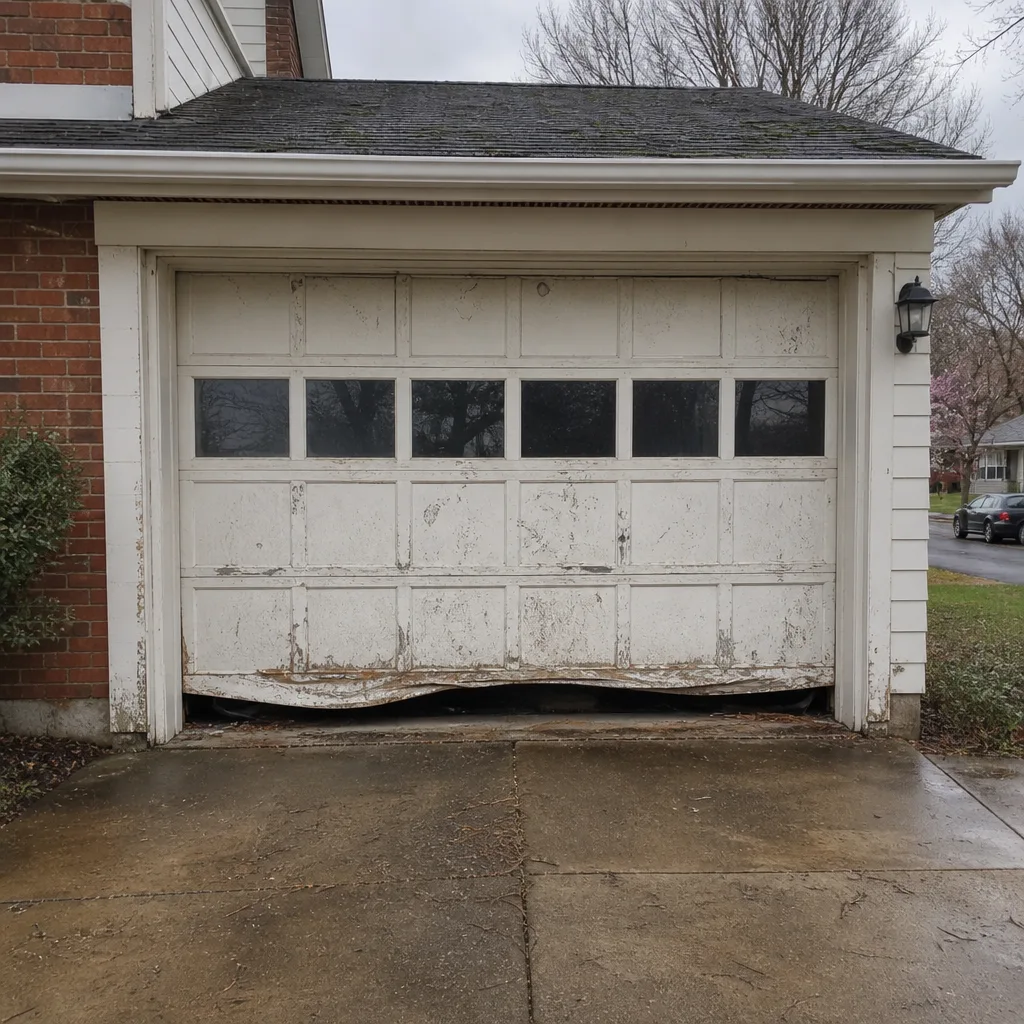 Before
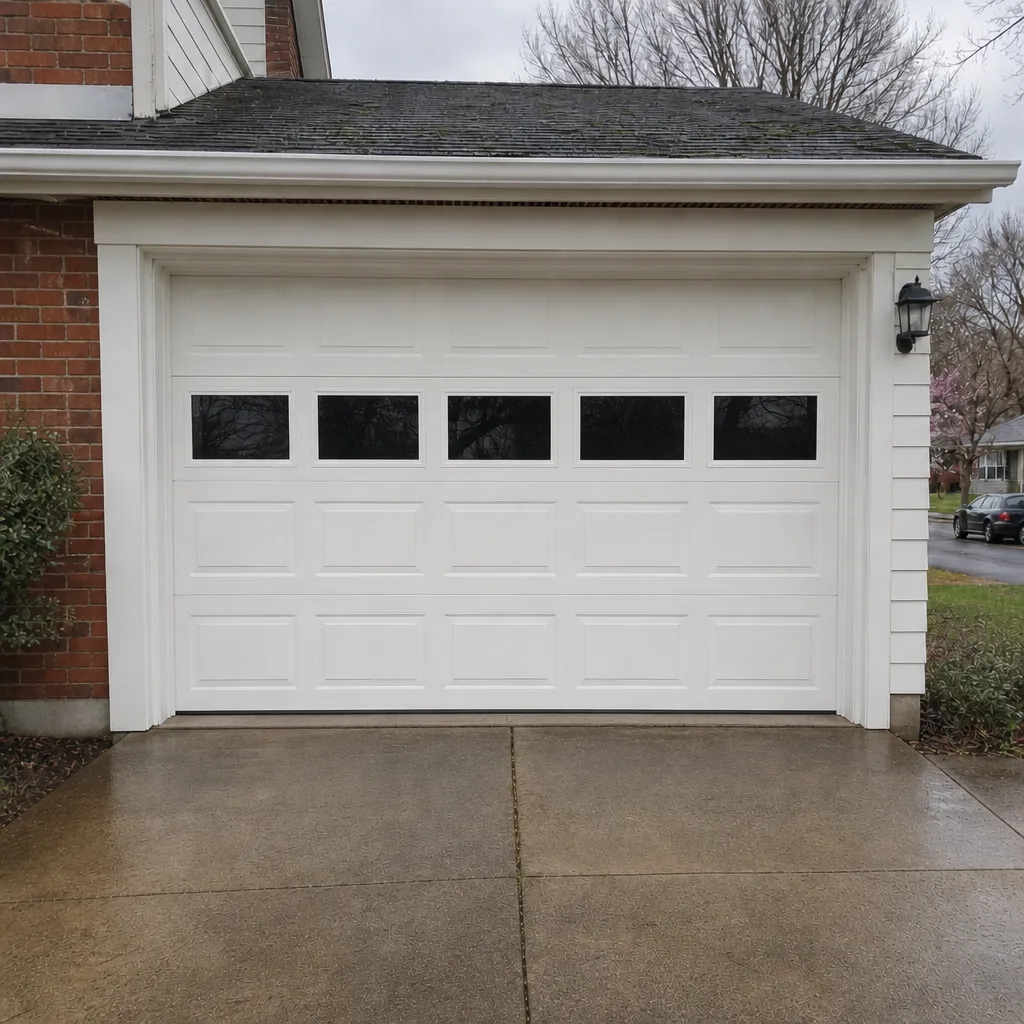 After
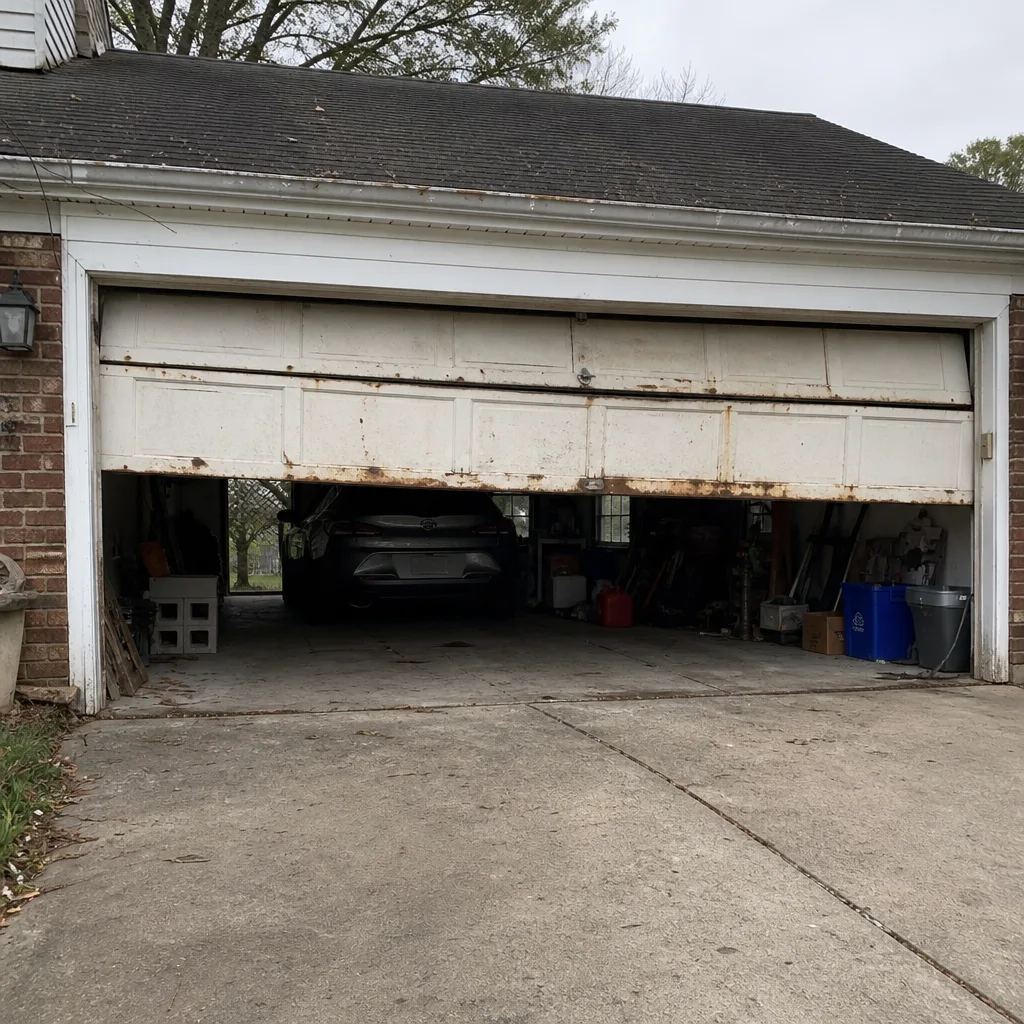 Before
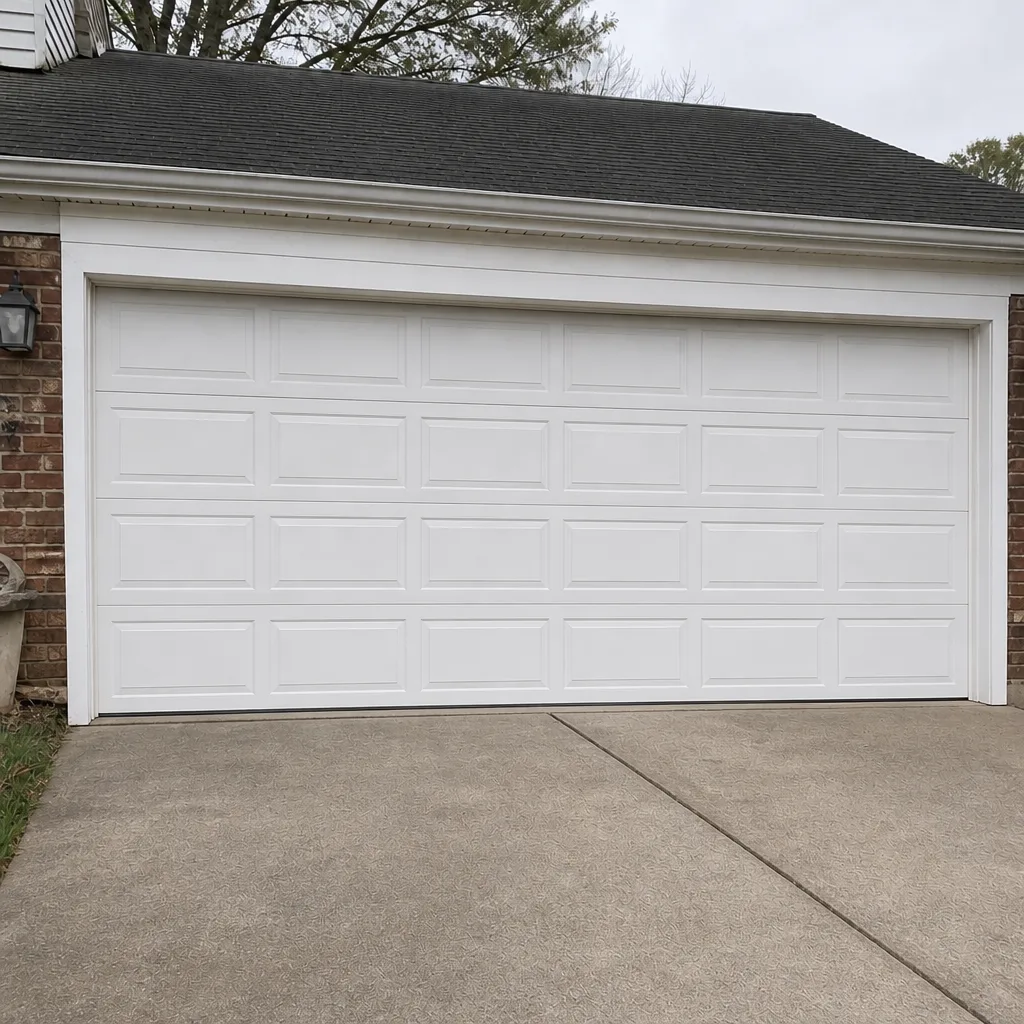 After
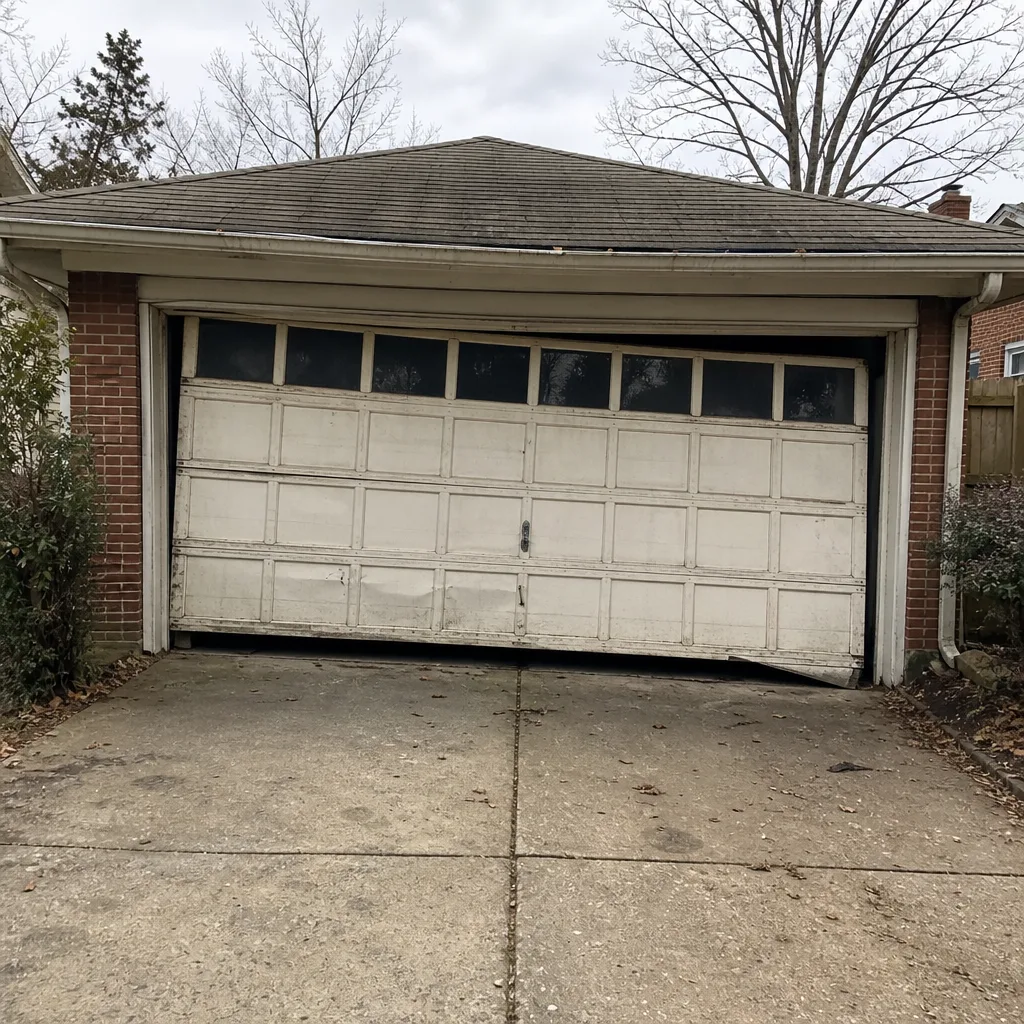 Before
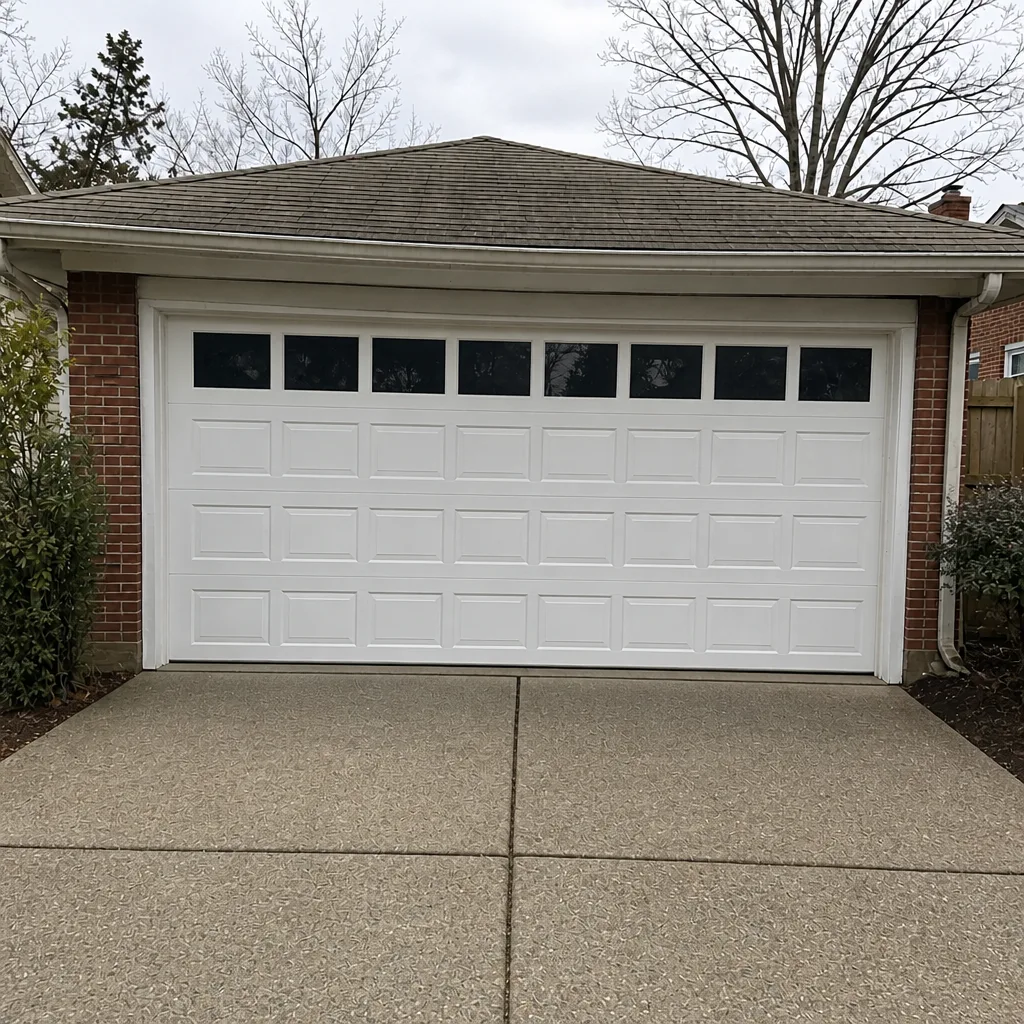 After